Affordable Ways to Turn Any House into a Smart Home
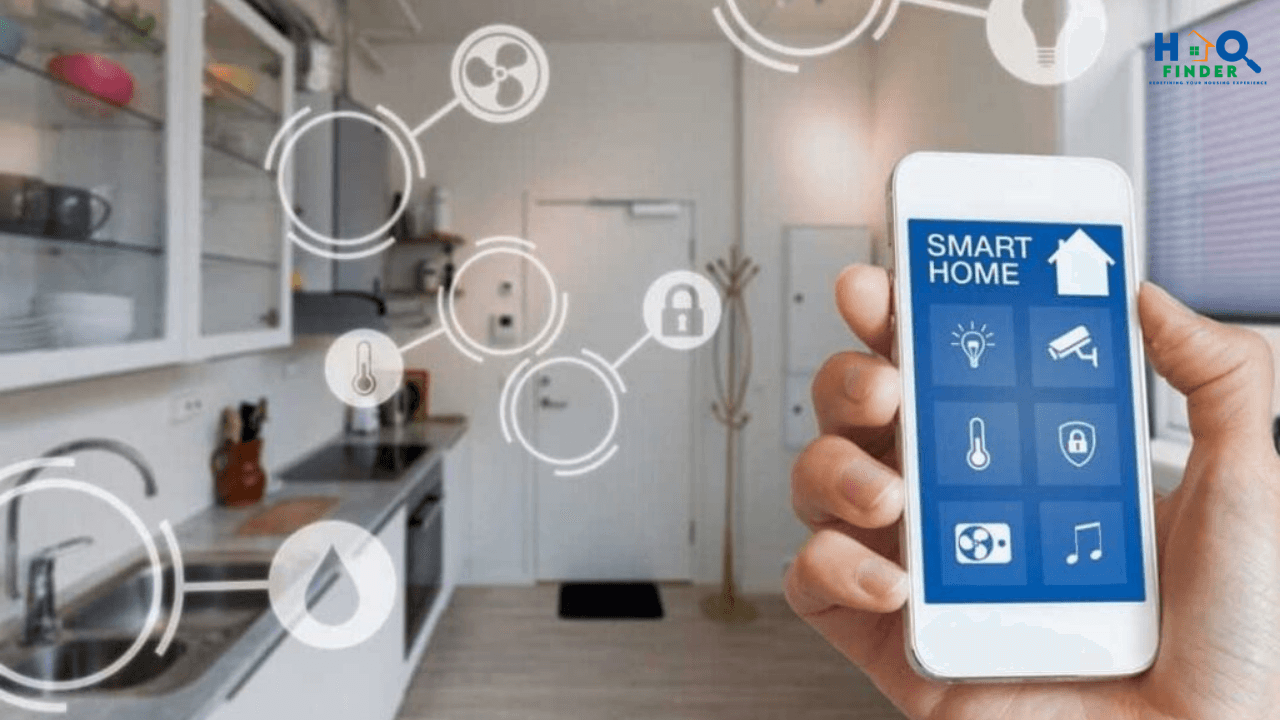
What if you could control your lights, fans, and security with just your phone, without spending a fortune? Turning your house into a smart home doesn't mean buying expensive gadgets or doing major renovations.
Today, simple and budget-friendly devices can make everyday life easier, safer, and more comfortable. From smart plugs that cut power bills to door cameras that add peace of mind, small upgrades can create a big impact. The best part? You can start small and grow step by step. In this guide, we'll explore affordable ways to make your home smarter without stretching your budget.
Essential Budget Planning for Your Smart Home Transformation
Here's where most people stumble: they buy impulsively without a clear financial roadmap. Let's fix that right now.
Setting a Realistic Smart Home Budget by Room
You'll want to ease into this. Fifty bucks? That's your entry ticket, think smart plugs and basic bulbs that instantly upgrade ordinary appliances. Got $200 to work with? Now you're talking voice assistants plus motion sensors that create genuine automation.
Here's something that'll interest you: research shows smart homes can slash utility bills by roughly 20%. That means your investment pays itself back over time. Scale up to $500 and you've covered your critical rooms. A grand gets you comprehensive coverage, locks, thermostats, the whole package.
Free Smart Home Apps That Replace Expensive Devices
Your phone is already smarter than you think. IFTTT bridges different devices without forcing you to buy expensive hubs. Home Assistant? Totally open-source and costs you nothing. Even basic voice assistant apps trigger complex routines without purchasing dedicated speakers. These free tools let you experiment with automation concepts before spending real money on hardware.
As connectivity becomes the backbone of every smart setup, choosing reliable internet solutions and flexible global data plans ensures devices stay responsive, synchronized, and easy to manage from anywhere. By layering upgrades gradually, homeowners can build a connected living space without financial strain.
Timing Your Purchases for Maximum Savings
Everyone knows about Black Friday, but here's the insider move: end-of-year clearance events offer comparable discounts minus the shopping frenzy. Check out certified refurbished units from Amazon or Best Buy, half the price, full warranty coverage. Tools like Camel track price history and ping you when items hit your target range.
Start Small: Budget Smart Home Ideas for Beginners
Now you've got your financial blueprint sorted. Time to talk about specific devices that maximize impact while minimizing cost.
Smart Plugs: Your Gateway to Affordable Automation
If you're looking at affordable smart home devices, plugs deserve your attention first. Kasa, Wyze, Gosund, all deliver solid performance under $12. Suddenly your coffee maker knows to start brewing when your alarm rings. Your fan automatically cuts out when you leave for work. Several models track energy consumption, exposing which appliances secretly drain power.
Voice Assistants as Your Command Center
Amazon's Echo Dot and Google's Nest Mini routinely hit $20-25 during promotional periods. Manufacturer-refurbished versions cost even less without sacrificing functionality. And if you manage vacation properties or travel frequently in an RV where maintaining connectivity matters. Link multiple units together and you've created multiroom audio that rivals systems costing ten times more.
Budget-Friendly Smart Lighting Solutions
Wyze, Sengled, and Merkury bulbs run $8-12 and work with your existing fixtures. Perfect if your landlord won't let you rewire anything.
Color-changing models create atmosphere for movie nights without buying dedicated mood lighting. Motion-activated lights under $20 stop you from face-planting in dark hallways while cutting electricity waste.
Room-by-Room Cheap Smart Home Upgrades
You've got the basics covered. Let's get tactical about where to deploy these tools for maximum benefit.
Living Room Automation Under $150
Roku and Fire TV Stick run $30-50 and moonlight as smart home controllers. Universal smart remotes combine multiple control interfaces into one app. Budget smart displays hover around $60 and show camera feeds while managing lights through voice commands.
Retrofit curtain motors clip onto existing rods for automated window coverage without replacing what you already own.
Kitchen Upgrades That Pay for Themselves
WiFi power strips control multiple appliances from a single outlet, program your slow cooker to start dinner while you're still at the office. Budget smart speakers walk you through recipes hands-free and run timers simultaneously.
Water leak detectors cost under $25 but alert you instantly if your dishwasher springs a leak, potentially saving thousands in water damage. These represent cheap smart home upgrades with genuine practical value.
Bedroom Comfort on a Budget
Climate control matters tremendously when you're thinking about how to make your home smart. Wyze and Amazon thermostats cost $60-80 and recoup that investment through optimized temperature management within months.
Smart alarm clocks with sunrise simulation wake you gently using gradually intensifying light instead of jarring beeps. White noise machines with app integration help you drift off while masking external noise. Sleep tracking solutions analyze your rest quality without pricey wearables or monthly subscriptions.
Research indicates 97% of smart home users report high satisfaction levels, confirming these devices actually improve daily life.
DIY Installation Strategies to Avoid Professional Fees
Buying affordable gear is smart. Installing everything yourself? That's where you really protect your wallet.
Renter-Friendly Smart Home Solutions
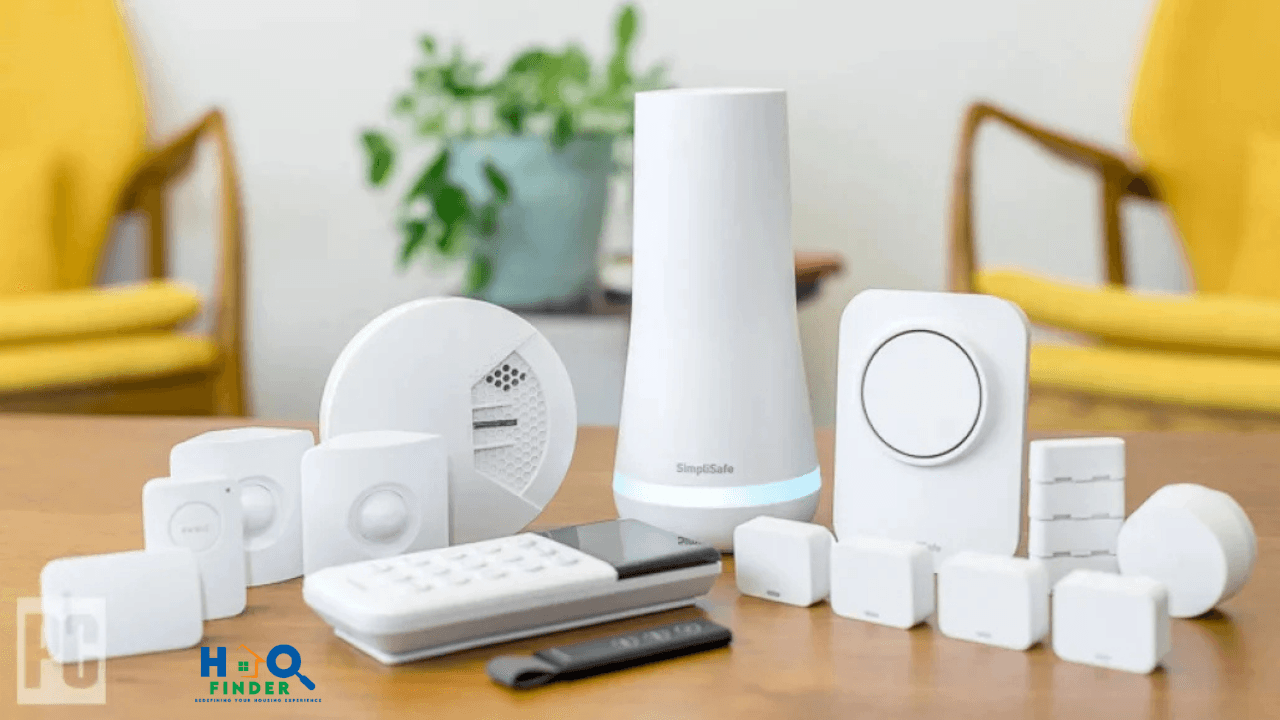
Most budget smart home ideas require zero permanent changes to your space. Command strips secure sensors and cameras without drilling. Battery-powered options eliminate electrical work that might violate your lease. Smart bulbs simply screw into standard sockets and travel with you at move-out time, keeping your security deposit intact.
Step-by-Step Installation Guides
Smart thermostat installation runs about thirty minutes if you can match colored wires, just photograph everything before disconnecting. Smart locks retrofit onto existing deadbolts without swapping the entire mechanism, leaving your exterior hardware untouched. Video doorbells mount using adhesive backing or two tiny screws. Cable management with clips and raceways makes everything look professionally installed without cutting drywall.
Troubleshooting Common Setup Issues
WiFi hiccups typically resolve when you relocate your router centrally or switch devices to 2.4GHz frequency, which handles walls better. Pairing failures often indicate outdated firmware, update everything first. App integration headaches vanish when you commit to one ecosystem initially instead of mixing incompatible brands. Network congestion improves dramatically if you pause streaming during initial setup sessions.
Final Thoughts on Affordable Smart Home Success
Creating a connected home doesn't require massive budgets or engineering degrees. Strategic purchasing, smart timing, and self-installation put automation within everyone's reach. Begin with a single room, plugs and bulbs work beautifully, then expand based on what enhances your actual routine rather than what looks cool in advertisements. The utility savings combined with daily convenience justify every penny and smart future. Your transformation starts with one affordable device.
Your Questions About Budget Smart Homes Answered
Which gadget helps to turn a house into a smart home?
Alexa can turn your house into a smart home by enabling you to voice control Alexa-compatible smart home devices like lights, cameras, and plugs. "Alexa, turn on the TV." "Alexa, turn on the lights." "Alexa, talk to the front door."
Can you build a smart home for under $100?
Absolutely. Start with two smart plugs ($25), one smart bulb ($10), and a refurbished Echo Dot ($20). Add motion sensors ($15 each) to complete basic automation covering lighting, appliances, and voice control across key rooms.
Do all smart home devices require subscriptions?
No. Many budget devices work completely free after purchase. Wyze cameras offer local storage without monthly fees. Smart plugs and bulbs function indefinitely through free apps. Only premium features like professional monitoring require ongoing payments.

House Hunting, Land Buying & Property Marketing
Smarter with Hao Finder™
Whether you're looking for your next home, investing in land, or marketing real estate listings — Hao Finder™ gives you verified properties, expert insights, and digital tools that simplify your journey.
Call us
+254 715 560 734
+254 118 582674
+973.253.3800
Email us
info@haofinder.com
business@haofinder.com
Location
Delta Corner Towers, Westlands, Nairobi |
471 Mundet Place, Ste. US159850 |
Hillside, New Jersey 07205,
United States