Building a Custom Home in Idaho: What Nobody Tells You About the Process
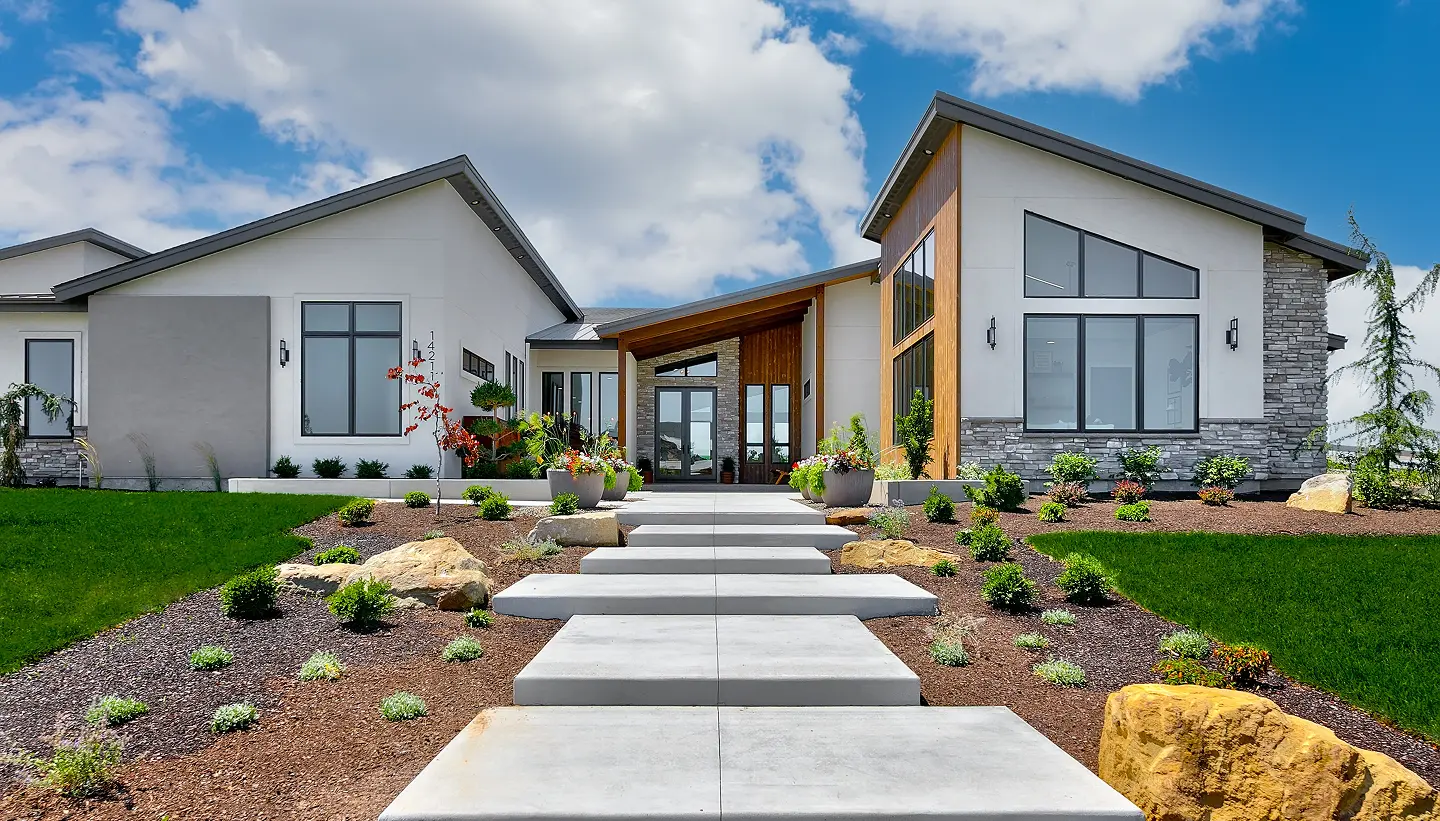
There's a moment that happens in almost every custom home project. It's usually around month four, when the foundation is poured, the framing is up, and the homeowner stands on what will eventually be their front porch, staring at a structure that looks nothing like the renderings they approved. The windows seem smaller. The ceilings feel lower. The roofline doesn't quite match what they pictured.
This moment is not a sign that something went wrong. It's a sign that something is going right. Custom home building is not a transaction. It's a translation. Your ideas, your lifestyle, your priorities get translated into lumber, concrete, glass, and stone. And like any translation, it requires interpretation, negotiation, and a shared understanding between two parties.
That's why the builder you choose matters more than almost any other decision you'll make. In Idaho's Treasure Valley, Prominent Homes has built a reputation on getting that translation right. They're a prominent homes idaho builder who handles lot selection guidance, custom design, and construction planning. For families searching for custom home builders boise or a custom home builder treasure valley, their name comes up because they do more than construct houses. They help people build homes that actually fit how they live.
The Lot Comes First (And It Dictates Almost Everything)
Here's something most people don't realize until they're deep into the process: the lot you choose shapes the home you can build more than any other factor. Orientation determines where natural light enters. Topography affects foundation costs. Soil conditions influence drainage and structural requirements. Zoning regulations limit height, footprint, and sometimes even the style of the home.
In the Treasure Valley, lots range from flat suburban parcels to sloped foothill properties with views that demand specific design responses. A home designed for a flat lot won't work on a hillside without significant modifications. A home designed for northern exposure won't perform the same way on a south-facing slope.
This is why experienced builders start with the lot. They walk the property. They study the sun patterns. They assess drainage. They consider how the home will sit on the land and how the land will shape the home.
Prominent Homes builds this evaluation into their process. Before design work begins, they help clients understand what's possible on their specific lot and what constraints they'll need to work within.
| Lot Factor | How It Affects the Build | Design Response |
|---|---|---|
| Orientation | Determines natural light entry | Window placement, room positioning |
| Topography | Foundation complexity and cost | Walkout basements, stepped foundations |
| Soil conditions | Drainage and structural requirements | Engineered footings, drainage systems |
| Zoning regulations | Limits on height, footprint, style | Design within approved parameters |
The Design Phase Is Longer Than You Think
First-time custom home builders often assume design takes a few weeks. In reality, it can take several months. Why? Because design isn't just about aesthetics. It's about solving problems.
Where will the morning sun hit the kitchen? How will traffic flow from the garage to the living areas? Is there enough storage for seasonal gear? Will the master suite feel private even when the rest of the house is full? These questions take time to answer, and the answers shape the design.
Good custom home design is iterative. The first draft won't be right. The second draft will be closer. By the fifth or sixth revision, the design starts to feel inevitable—like it couldn't have been anything else.
This process works best when the builder is involved from the beginning. When design and construction are separate, decisions get made without understanding the cost or buildability implications. When they're integrated, the design reflects what's actually possible.
Construction Doesn't Follow a Neat Timeline
Construction schedules are estimates, not guarantees. Weather delays happen. Material deliveries get pushed. Subcontractors have scheduling conflicts. Unexpected site conditions require adjustments.
This doesn't mean construction is chaotic. It means construction is reality. The best builders build contingency into their schedules and communicate clearly when timelines shift.
What separates a good experience from a frustrating one is not whether delays happen. It's how they're handled. Clear communication, proactive updates, and honest conversations about tradeoffs make the difference.
What Custom Building Actually Costs
Custom homes cost more than production homes. That's not a secret. But the range of what custom building costs is wider than most people expect.
A modest custom home on a simple lot might cost $200 per square foot. A high-end home with complex architecture and premium finishes might exceed $500 per square foot. The variables are almost endless: site work, foundation type, structural complexity, material selections, mechanical systems, and finishing details.
The trick is understanding where to spend and where to save. A custom builder helps you prioritize. Maybe you invest more in the kitchen because you cook every day, but choose simpler finishes in rooms you use less often. Maybe you spend on energy efficiency because you plan to stay for decades, but skip the second fireplace you'll never use.
For a comprehensive guide to the custom home process, see The Ultimate Guide to Custom Home Builders: Personalization, Smart Design & Choosing the Right Builder. It covers everything from choosing a lot to selecting finishes, and it's an invaluable resource for anyone considering a custom build.
| Custom Home Tier | Approximate Cost per Sq Ft | Typical Characteristics |
|---|---|---|
| Modest custom | ~$200 | Simple lot, standard finishes, straightforward design |
| Mid-range custom | $300–$400 | Upgraded materials, some structural complexity |
| High-end custom | $500+ | Complex architecture, premium finishes, engineered systems |
Questions That Reveal How a Builder Actually Operates
Every builder says they communicate well and deliver quality work. The real question is how they handle problems. Ask these questions during your search:
- What happens if we discover unexpected site issues after construction begins?
- How do you handle change orders, and how are costs calculated?
- Who is my primary point of contact during construction?
- How often will I receive updates, and in what format?
- What's your process for resolving disputes or disagreements?
The answers reveal how a builder thinks. Vague answers suggest disorganization. Specific, thoughtful answers suggest experience.
The Difference Between a House and a Home
A house is a structure. A home is a place where life happens. The difference sounds philosophical, but it's practical. Homes are designed around specific people living specific lives. They accommodate routines, traditions, and preferences that a generic floor plan can't anticipate.
That's why custom building exists. It's not about luxury for its own sake. It's about creating a space that works for the people who live there.
Prominent Homes approaches custom building with this understanding. They help clients create personalized, luxury homes in Idaho through thoughtful design, experienced construction, and a full-service approach from initial planning through completion. The goal isn't to build the biggest house on the street. It's to build the right house for the people who will live in it.
House Hunting, Land Buying & Property Marketing
Smarter with Hao Finder™
Whether you're looking for your next home, investing in land, or marketing real estate listings — Hao Finder™ gives you verified properties, expert insights, and digital tools that simplify your journey.
Call us
+254 715 560 734
+254 118 582674
+973.253.3800
Email us
info@haofinder.com
business@haofinder.com
Location
Delta Corner Towers, Westlands, Nairobi |
471 Mundet Place, Ste. US159850 |
Hillside, New Jersey 07205,
United States