6 DIY Home Repairs That Can Seriously Damage or Even Destroy Your House
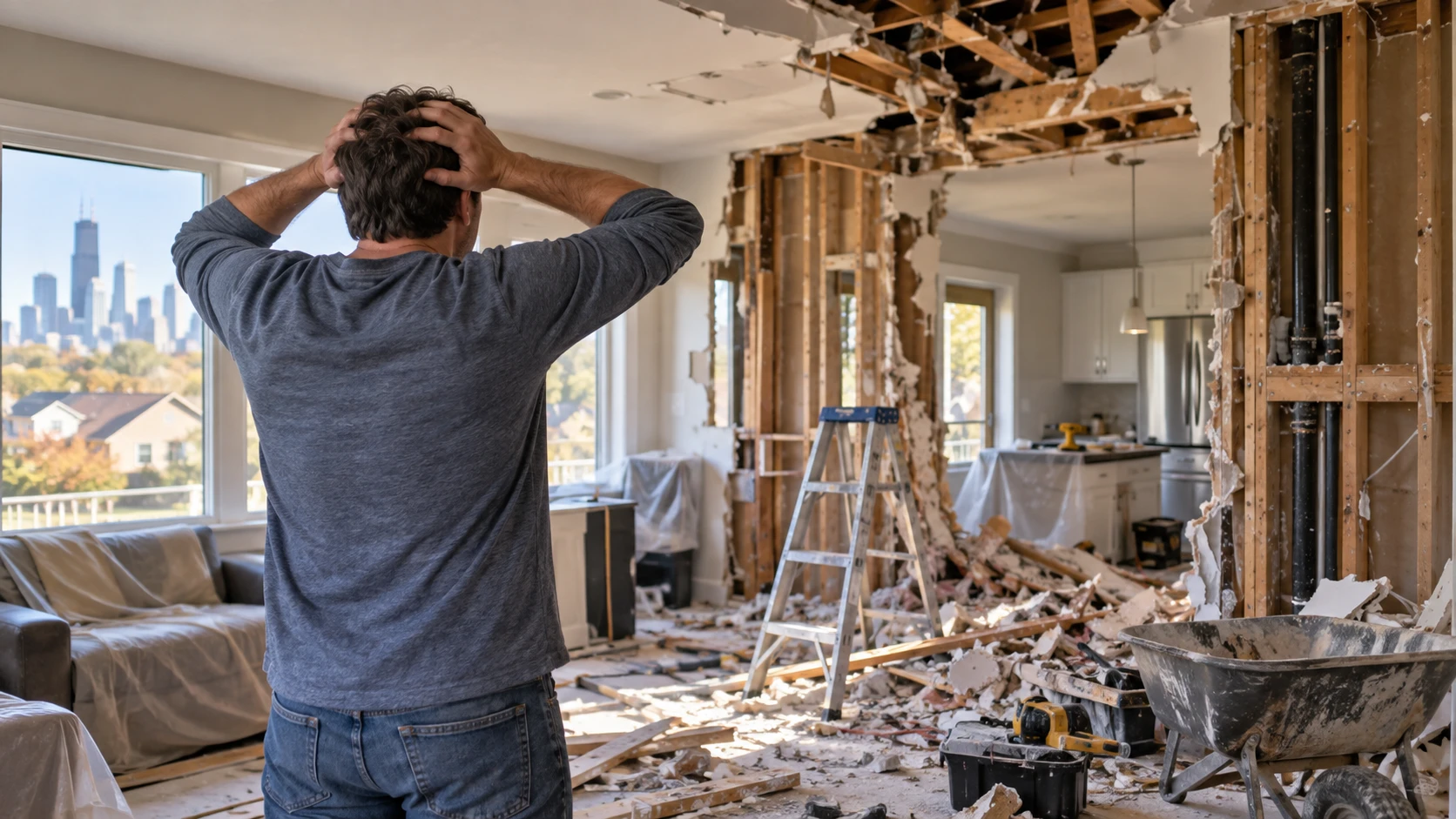
Trying to cut repair costs is a natural desire. When it comes to something simple, such as replacing a cabinet handle, patching a small hole in drywall, or painting a wall, it is difficult to seriously mess something up. But the situation changes when we are talking about things like the foundation, load-bearing walls, electrical systems, the roof, or water damage. Here, it is very easy to make things worse, and the problem can turn out to be much more serious than it first appeared.
Mistakes during a repair do not always result in visible defects. Sometimes a minor error can allow moisture to penetrate the structure, weaken critical components, cause wiring to catch fire somewhere, or create hidden damage that remains unnoticed for a long time. Eventually, the problem comes to the surface, and dealing with the consequences often costs significantly more than it would have cost to bring in an experienced professional from the start.
DIY projects are not going anywhere, and they really can be a good way to save money. But homeowners need to understand that there are some jobs where saving money becomes a gamble — and sometimes a disaster.
1. Removing or Altering a Load-Bearing Wall
One of the riskiest ideas is removing a wall without first figuring out whether it carries part of the home's load.
These walls support the roof, floor structures, and everything above them, transferring that weight down to the foundation. Remove part of one without a properly designed replacement, and the load will be redistributed. And what happens then? You may end up with a sagging ceiling, cracks appearing in the walls, floors beginning to deform, and doors suddenly refusing to close properly. In short, not much good comes from it.
The worst part is that such a wall can look exactly like an ordinary one. Paint, wallpaper, and drywall can all look perfectly normal and provide not the slightest clue. Someone may think, "Well, if the wall is thin or there are no visible beams, it must be safe to tear it down." Unfortunately, that is not how it works.
A mistake like this can be extremely expensive.
Before you start hammering or cutting into anything, you need to understand what is above the wall. You may have to determine the direction of the floor joists, examine the attic, and figure out where the structural elements are supported. In some cases, new beams or temporary supports will be needed, and calculating them "by eye" is not an option. It is dangerous.
A reliable rule: if a wall affects in any way how the roof, floors, or anything above them is supported, do not treat it as a minor repair. Treat it as a serious structural project.
2. Repairing the Foundation Yourself
Foundation problems are a completely different story. Sometimes attempting to repair them yourself only makes the situation worse.
Of course, minor cracks in concrete do not always mean there is a serious problem. They can appear for different reasons: the building may have settled, or moisture levels may have changed. The important thing is to understand why the crack appeared and whether the situation is stable. Filling a crack is not particularly difficult, but if the underlying cause remains — movement or water pressure — the structure can continue to deteriorate even if everything looks perfectly fine from the outside.
You should be concerned if cracks are getting wider, if they run horizontally, if the floor or wall seems to "move," if doors and windows suddenly stop closing properly, or if it is noticeable that the floor level has shifted.
Foundation work often requires addressing several different issues: drainage, soil problems, water pressure, settlement, and structural reinforcement. Each problem requires a different approach. Install the wrong support or simply fill the area with whatever seems convenient, and it may look like you fixed the issue while the damage continues underneath.
Water is a particularly sneaky enemy in this story. Poor drainage around the house means the foundation walls are constantly exposed to additional pressure. And if water is seeping through joints and cracks, that visible drop may only be the tip of the iceberg.
Before patching anything, figure out where the problem is really coming from, rather than chasing a nice-looking surface.
3. Repairing Beams, Floor Structures, or the Floor Frame Yourself
The structural frame of a house is a separate world where an inexperienced mistake can lead to serious trouble.
Load-bearing beams, joists, rafters, and similar components are designed to handle specific loads. Once you start cutting, drilling, removing sections, or adding supports without knowing exactly what you are doing, you can compromise the structure's ability to hold the load properly. The repair may even look good from the outside, while the weak point remains inside.
Suppose you discover a damaged beam and decide to remove part of it and install a new piece of lumber next to it. Sometimes this can indeed work, but its effectiveness depends on the cause of the damage, where the beam is located, its condition, the length of the span, the loads it carries, and how the new components are connected to the existing structure.
Rot makes things even more complicated. If the wood has deteriorated because of an old leak, replacing only the visibly damaged section may accomplish very little. Moisture or decay can easily remain hidden in other areas.
This is where you really need a professional. An experienced professional — for example, a skilled master handyman Chicago homeowners can rely on — can quickly understand whether the job requires a capable repair specialist or whether it is time to bring in a structural engineer.
The main issue is not appearance. It is the actual strength of the structure. What you really need to make sure of is that you have restored not just the "surface," but the home's internal structural integrity as well.
4. Major Roof Repairs
The roof is one of those parts of a house where a repair can look successful while the real problem is still developing underneath.
Replacing a few damaged shingles may seem straightforward, but major roof damage is a different matter. If the roof has been leaking for some time, the problem may already extend beyond the visible area. Water can reach the roof decking, insulation, rafters, ceilings, and even electrical components. Simply covering the damaged spot does not necessarily stop the water from getting inside.
One of the most common mistakes is repairing only the area where the homeowner can see damage. A stain on the ceiling, for example, does not necessarily indicate that the leak is directly above that spot. Water can travel along framing members before eventually appearing inside the house.
Improper flashing is another serious issue. Flashing around chimneys, vents, skylights, valleys, and roof edges needs to direct water away from vulnerable areas. If it is installed incorrectly or sealed with an unsuitable material, the roof may continue leaking even when everything looks fine from the ground.
Chicago weather makes this particularly important. Heavy rain, strong winds, freezing temperatures, and repeated freeze-thaw cycles can put considerable stress on roofing materials. A repair that is not properly sealed can allow moisture to enter the structure during the next storm.
If you are dealing with a significant roof leak, widespread damage, or deteriorated structural wood, it is better to have the entire affected area inspected rather than simply covering the most obvious defect. More information about professional home repair and maintenance can be found at https://fixprosolution.com.
The goal is not simply to stop seeing water on the ceiling. The goal is to make sure water is no longer getting into the house at all.
5. Major Electrical Repairs and Rewiring
Electrical work is another area where a DIY mistake can have consequences far beyond the repair itself.
Replacing a light fixture or performing another minor task may be manageable for someone who understands electrical safety and local requirements. Major rewiring, however, is an entirely different level of work. Mistakes involving circuits, connections, grounding, wire sizing, or electrical panels can create conditions that are not immediately visible.
A connection can appear to work perfectly while still overheating under load. A wire may be incorrectly sized for the circuit. An improperly protected connection can remain hidden behind a wall until a serious problem develops.
The danger is not limited to damaging electrical equipment. Faulty electrical work can generate enough heat to ignite surrounding materials. Because wiring is often hidden inside walls and ceilings, a developing problem may go unnoticed until there is smoke, a burning smell, repeated breaker trips, or an actual fire.
Another common mistake is assuming that turning off one breaker makes an entire work area safe. Older homes can contain complicated or modified wiring, and circuits may not always be arranged the way a homeowner expects.
If you discover damaged wiring, overheated outlets, frequent breaker trips, unexplained power loss, or signs of burning around an electrical component, the safest approach is to stop experimenting and have the system evaluated.
This is one of those situations where saving the cost of a professional visit can be a very poor trade-off. Electrical problems can damage appliances, walls, insulation, and other components of the house — and in the worst cases, put the entire building at risk.
6. Trying to Fix Major Water Damage Without Finding the Source
Water damage is particularly dangerous because the visible problem is often not the actual problem.
A wet patch on a ceiling, swollen flooring, peeling paint, or a damp wall may look like something that can be repaired with a little drywall work, sealant, or fresh paint. But if the source of the moisture has not been identified, cosmetic repairs only hide the evidence.
The water may be coming from a damaged pipe, roof penetration, failed plumbing connection, clogged drainage system, foundation problem, or another concealed source. Until that source is stopped, the damage can continue behind walls and underneath floors.
This is where homeowners can lose a lot of time and money. The surface gets repaired, everything appears normal for a while, and then the stain comes back. By that point, moisture may have already affected insulation, drywall, flooring, framing, or other building materials.
Long-term moisture can also create conditions that support mold growth and wood deterioration. If structural wood remains wet for an extended period, its condition can deteriorate significantly.
Plumbing emergencies require particular caution. A small leak that is easy to access may be one thing, but a burst pipe, concealed leak, sewer backup, or major water line problem is something else entirely. In an emergency, homeowners may need a 24 hour plumber Chicago residents can call to stop the immediate flow of water before the damage spreads.
The most important step is not repairing what the water has damaged. It is finding and stopping the source.
A useful rule: never consider water damage fully repaired simply because the visible stain has disappeared. If the cause has not been identified and eliminated, the repair is not finished.
When a home repair involves structural movement, major water intrusion, extensive electrical work, or damage hidden behind walls and ceilings, the safest decision is often to stop before making the situation worse. Knowing when a project has moved beyond reasonable DIY territory can save both the house and a substantial amount of money.
When Should You Stop a DIY Home Repair?
Knowing how to start a repair is usually easy. Knowing when to stop is much more important.
The biggest DIY mistakes often happen when a homeowner discovers an unexpected problem but decides to keep going anyway. A small repair can quickly turn into something much more complicated once walls are opened, flooring is removed, or damaged structural components become visible.
There are several warning signs that should make you stop and reconsider doing the work yourself.
If you discover unexpected movement in the structure, extensive water damage, severe wood rot, damaged electrical wiring, foundation cracks that appear to be changing, or anything that affects a load-bearing component, the project has probably moved beyond a simple home repair.
The same applies when the original problem turns out to be significantly larger than expected. A small ceiling stain may reveal a long-term roof leak. A damaged floor may turn out to be the result of a deteriorated joist. A crack in a foundation wall may be connected to drainage or soil problems.
Trying to solve everything at once without understanding the cause can make the situation worse.
| Warning Sign | Potential Underlying Issue | Recommended Action |
|---|---|---|
| Unexpected structural movement | Load-bearing failure, foundation issue | Stop immediately, consult structural engineer |
| Extensive water damage | Hidden leak, roof penetration, plumbing failure | Find source first, then repair |
| Severe wood rot | Long-term moisture exposure | Assess full extent, replace affected sections |
| Damaged electrical wiring | Overloaded circuits, improper connections | Licensed electrician required |
| Changing foundation cracks | Drainage issues, settlement, soil movement | Foundation specialist evaluation |
How to Avoid Turning a Small Repair Into a Major Problem
The best way to approach serious home repairs is to focus on the cause before dealing with the visible damage.
Start by asking a simple question: Why did this problem happen?
If water is entering the house, find where it is coming from. If a wall has cracked, determine whether the crack is stable or changing. If a floor is sagging, find out what is supporting it and whether those structural components are damaged. If an electrical circuit keeps tripping, do not simply keep resetting the breaker without finding out why.
Taking photographs before opening walls or removing damaged materials can also be useful. They provide a record of what the area looked like before the repair and can help a professional understand what happened if the project needs to be handed over.
It is also worth checking local building requirements before beginning work that affects structural elements, electrical systems, plumbing, or major exterior components. Depending on the project and location, permits or inspections may be required.
Another useful habit is knowing the limits of your own experience. Being comfortable with basic DIY maintenance does not automatically mean you are prepared to repair a foundation, modify a structural wall, or rewire a house.
The Cost of Getting It Wrong
The main reason homeowners choose DIY repairs is usually simple: they want to save money.
There is nothing wrong with that. In fact, many routine maintenance tasks can be handled successfully without professional help. The problem begins when the potential cost of a mistake becomes much greater than the money saved.
Consider a roof repair. If a homeowner spends a few hundred dollars attempting to fix a leak but water continues entering the structure, the final damage could involve insulation, drywall, framing, flooring, and electrical components.
The same principle applies to structural repairs. Saving money by removing a load-bearing wall incorrectly can result in cracks, movement, and extensive reconstruction. A poorly handled plumbing leak can damage areas that were never part of the original repair. An electrical mistake can potentially cause a fire.
In other words, the cheapest repair is not always the one with the lowest initial price. Sometimes the financially sensible decision is to spend money on a professional assessment before touching anything.
| DIY Repair Type | Potential DIY Cost | Cost If Done Incorrectly |
|---|---|---|
| Roof leak repair | $200-$500 | $5,000-$15,000+ (structural damage) |
| Load-bearing wall removal | $500-$1,000 | $10,000-$30,000+ (structural repair) |
| Foundation crack repair | $100-$300 | $5,000-$25,000+ (foundation failure) |
| Electrical rewiring mistake | $200-$600 | $10,000-$50,000+ (fire damage) |
| Plumbing leak repair | $100-$400 | $3,000-$15,000+ (water damage) |
Final Thoughts
DIY home improvement can be rewarding, practical, and genuinely useful. There is no reason to call a professional every time a minor problem appears in the house.
But some repairs are fundamentally different.
Foundations, load-bearing walls, structural framing, major roof damage, electrical systems, and serious water intrusion are all connected to the safety and long-term condition of the house. Mistakes in these areas may remain hidden until the damage becomes much more expensive to correct.
The most important skill in DIY home repair is therefore not knowing how to do everything yourself. It is knowing which jobs you can safely handle, which require professional expertise, and when to stop before a repair becomes a much bigger problem.
A few hours spent getting the right assessment can sometimes prevent weeks of reconstruction — and protect the home from damage that could have been avoided in the first place.

House Hunting, Land Buying & Property Marketing
Smarter with Hao Finder™
Whether you're looking for your next home, investing in land, or marketing real estate listings — Hao Finder™ gives you verified properties, expert insights, and digital tools that simplify your journey.
Call us
+254 715 560 734
+254 118 582674
+973.253.3800
Email us
info@haofinder.com
business@haofinder.com
Location
Delta Corner Towers, Westlands, Nairobi |
471 Mundet Place, Ste. US159850 |
Hillside, New Jersey 07205,
United States