Home Appliance Care: A Practical Guide to Preventing Costly Breakdowns
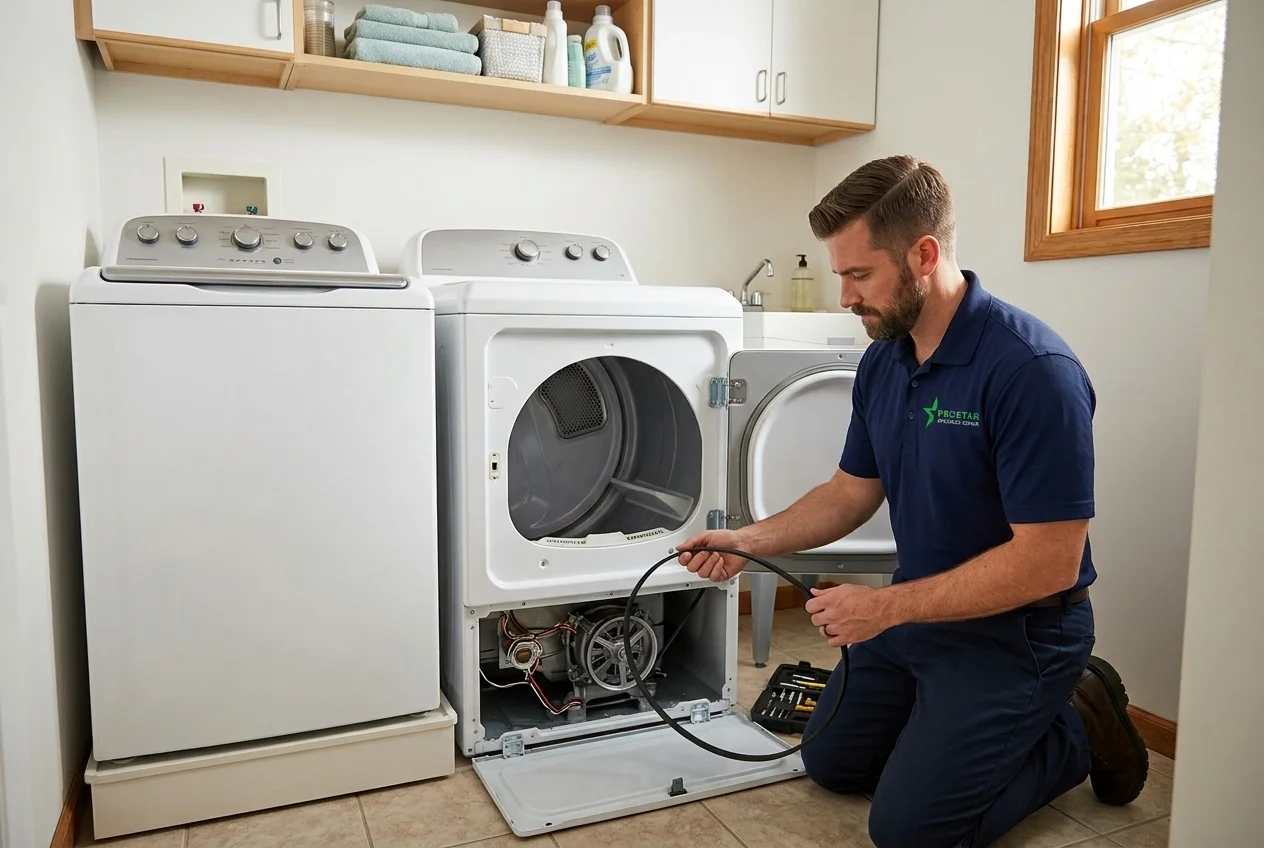
Most homeowners don't think about their appliances until something goes wrong. The refrigerator hums along for years, the washer spins without complaint, and the dishwasher quietly does its job after every meal. Then one day the fridge stops cooling, the washer leaves a puddle on the floor, or the dishwasher won't drain. Suddenly, a machine you barely noticed becomes the most urgent thing in your life.
The good news is that most major appliance failures don't happen overnight. They develop slowly, with warning signs that are easy to miss if you don't know what to look for. A little attention and a few simple habits can extend the life of your appliances by years and save you from expensive emergency repairs.
Why Appliances Fail (And Why It's Often Preventable)
Appliances are mechanical systems with moving parts, electrical components, and water connections. Over time, all of these wear down. But the rate of wear depends heavily on how the appliance is used and maintained.
Some common causes of premature failure include:
- Neglected maintenance. Clean filters, coils, and drains prevent strain on motors and pumps.
- Improper installation. A washer that isn't level or a dryer with a crushed vent hose will fail faster than one installed correctly.
- Overloading. Running a washer or dishwasher beyond its capacity strains bearings, motors, and seals.
- Hard water. Mineral buildup damages heating elements, valves, and seals over time.
- Ignoring small problems. A slow drain or a strange noise that gets ignored often becomes a major failure.
The good news is that most of these issues are manageable with basic care.
Refrigerator Maintenance: The Appliance You Can't Live Without
Your refrigerator runs 24 hours a day, seven days a week. It's the hardest-working appliance in your home, and when it fails, the consequences are immediate—spoiled food, lost money, and a scramble to find a replacement.
Clean the Condenser Coils
The condenser coils, usually located behind or beneath the fridge, release heat from the interior. When they're covered in dust and pet hair, the compressor has to work harder to maintain temperature. This increases energy consumption and accelerates wear on the compressor—the most expensive component to replace.
Clean the coils every six to twelve months with a coil brush or vacuum. Unplug the refrigerator first, and be gentle to avoid damaging the coils.
Check the Door Seals
The rubber gaskets around the doors keep cold air in and warm air out. Over time, they can become brittle, cracked, or loose. A simple test: close the door on a piece of paper. If you can pull the paper out easily, the seal isn't doing its job. Clean the seals regularly with warm, soapy water and replace them if they're damaged.
Keep the Interior Organized
A crowded refrigerator restricts airflow, which can cause uneven cooling and strain the compressor. Leave some space between items and avoid blocking the vents.
Washing Machine Care: Preventing Leaks and Breakdowns
Washers deal with water, detergent, and heavy loads. That combination is hard on components over time. A few habits make a significant difference.
Use the Right Amount of Detergent
Too much detergent creates excess suds that can overflow and leave residue in the machine. Over time, that residue can clog hoses and promote mold growth. Follow the manufacturer's recommendations and use high-efficiency (HE) detergent if your machine requires it.
Inspect Hoses Regularly
The hoses that connect your washer to the water supply are under constant pressure. A burst hose can cause significant water damage in minutes. Check hoses every few months for cracks, bulges, or leaks. Replace them every five years, even if they look fine. Stainless steel braided hoses are more durable than rubber.
Clean the Drain Pump Filter
Many front-loading washers have a drain pump filter that catches lint, coins, and other debris. If it's clogged, the washer won't drain properly. Check your manual for the location and clean it every few months.
Leave the Door Open
For front-loading washers, leaving the door slightly open between loads allows moisture to escape and prevents mold growth in the gasket.
Dishwasher Maintenance: Simple Steps That Prevent Big Problems
Dishwashers are prone to clogs and drainage issues, especially in areas with hard water. Regular maintenance keeps them running smoothly.
Clean the Filter
Most modern dishwashers have a filter at the bottom of the tub. Remove it and rinse it under running water every month or two. A clogged filter reduces cleaning performance and strains the pump.
Run a Cleaning Cycle
Once a month, run an empty cycle with a dishwasher cleaning tablet or a cup of white vinegar placed in the top rack. This removes mineral buildup and grease residue.
Check the Drain Hose
The drain hose carries wastewater from the dishwasher to the sink drain or garbage disposal. If it's kinked or clogged, water will back up. Inspect it periodically and clear any blockages.

Warning Signs You Shouldn't Ignore
Appliance problems rarely appear without warning. These signs indicate that something is wrong and should be addressed before it becomes a bigger issue.
- Strange noises. Grinding, squealing, or banging sounds indicate worn bearings, loose parts, or obstructions.
- Leaks. Any water where it shouldn't be is a red flag. Address leaks immediately to prevent water damage.
- Reduced performance. Dishes that don't come out clean, clothes that stay damp after a cycle, or food that spoils faster than expected all point to underlying issues.
- Unusual smells. Musty odors suggest mold growth. Burning smells indicate electrical problems and require immediate attention.
- Frequent cycling. An appliance that turns on and off repeatedly is struggling to maintain performance.
When these signs appear, it's worth having the appliance inspected. For homeowners in the San Antonio area, appliance repair in San Antonio services can diagnose problems before they escalate. ProStar Appliance Repair handles a range of major appliances and can help determine whether a repair or replacement makes more sense.
| Appliance | Expected Lifespan | Key Maintenance Task |
|---|---|---|
| Refrigerator | 10–15 years | Clean condenser coils, check door seals |
| Washing machine | 10–12 years | Inspect hoses, clean drain pump filter |
| Dryer | 10–13 years | Clean lint trap, check vent for blockages |
| Dishwasher | 9–12 years | Clean filter, run cleaning cycle monthly |
| Oven and range | 13–15 years | Deep clean annually, check seals |
When to Repair and When to Replace
Not every malfunctioning appliance needs to be replaced. The decision depends on the appliance's age, the cost of the repair, and the likelihood of future problems.
A general rule: if the repair costs more than half the price of a new appliance, and the appliance is more than halfway through its expected lifespan, replacement is usually the better investment. If the appliance is relatively new and the repair is straightforward, fixing it makes sense.
Regular maintenance extends these lifespans and delays the need for replacement.
Building a Maintenance Routine
The best way to protect your appliances is to establish a simple maintenance routine. Here's a practical schedule:
| Frequency | Maintenance Tasks |
|---|---|
| Monthly | Clean dishwasher filter; check washing machine hoses; wipe down refrigerator seals |
| Every 3–6 months | Vacuum refrigerator coils; run a dishwasher cleaning cycle; clean dryer lint trap and vent |
| Annually | Inspect and replace washing machine hoses if needed; deep clean oven and stovetop; check dryer vent for blockages; review appliance manuals |
Final Thoughts
Appliances are investments. They're not cheap to buy, and they're not cheap to replace. A little attention and regular maintenance go a long way toward protecting that investment and avoiding the disruption of unexpected breakdowns.
Pay attention to warning signs. Address small issues before they become big ones. And when a problem is beyond basic maintenance, don't hesitate to call a professional. The cost of a timely repair is almost always less than the cost of a failure—both in money and in stress.

House Hunting, Land Buying & Property Marketing
Smarter with Hao Finder™
Whether you're looking for your next home, investing in land, or marketing real estate listings — Hao Finder™ gives you verified properties, expert insights, and digital tools that simplify your journey.
What can PropGPTNewhelp with?
Call us
+254 715 560 734
+254 118 582674
+973.253.3800
Email us
info@haofinder.com
business@haofinder.com
Location
Delta Corner Towers, Westlands, Nairobi |
471 Mundet Place, Ste. US159850 |
Hillside, New Jersey 07205,
United States