How to Ensure a Comfortable Family Road Trip During a Long Distance Move
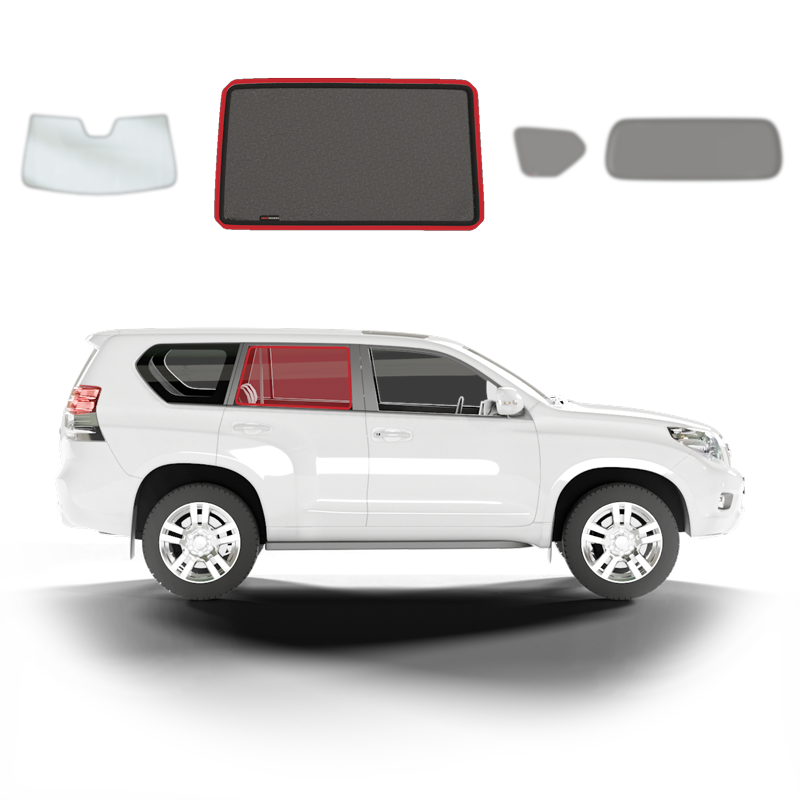
Moving across the country is an exciting milestone, but the logistics of getting your entire family to a new state can easily become overwhelming. According to recent U.S. Census and moving industry data, roughly 7.7 million individuals embark on long-distance interstate moves each year. Rather than flying, families overwhelmingly prefer to drive themselves during these major relocations, allowing them to keep their personal vehicles and save on airfare. This decision transforms a simple move into a multi-day road trip that requires extra attention to detail. To make this journey a positive experience, you need to prepare your vehicle and plan for maximum passenger comfort from the moment you leave your old driveway to the minute you arrive at your new home.
Delegate the Heavy Lifting
Before you can focus on the drive, you need to lift the burden of the physical move off your shoulders. Industry experts emphasize an eight to twelve-week planning framework for a major relocation. During this time, it is highly recommended to outsource the heavy lifting. If you are moving house with your kids, hiring professional movers to handle the packing, unpacking, and physical transportation of your belongings is the best way to reduce chaos and stress. Attempting to manage a large moving truck while keeping an eye on young children is a recipe for exhaustion.
When you let experts manage the furniture and moving truck, you can dedicate your full attention to transit logistics and keeping your family comfortable in your personal vehicle. This separation of duties turns an otherwise stressful travel day into a much more relaxed family adventure. You can pack a specialized essentials bag with your family's daily necessities, snacks, and electronics, leaving the rest to the professionals.
| Task | Who Handles It | Benefit |
|---|---|---|
| Packing and loading | Professional movers | Reduced physical strain and stress |
| Driving the moving truck | Professional movers | Focus on family comfort |
| Transit logistics | Parents | Better route planning and breaks |
| Family essentials bag | Parents | Quick access to necessities |
Protect Your Family from Heat and Sun Exposure
Spending several days in a car requires careful attention to the cabin environment, especially if you are traveling with small children. The American Academy of Pediatrics advises that an infant's ideal ambient environment should be maintained between 68 and 72 degrees Fahrenheit to prevent heat stress. However, a car's interior can heat up rapidly, and simply cracking the windows offers no significant cooling effect on a hot highway. To help regulate temperatures and protect passengers from harsh light, installing a car window sun blocker is a highly effective strategy. These dedicated shades keep the sun off your children, which is especially important for rear-facing car seats that inherently limit air circulation. Providing a cooler, shaded environment also helps children sleep better during the long stretches of your journey.
Beyond temperature control, shielding your family from harmful ultraviolet radiation is critical during extended drives. Many parents assume the car's glass provides complete protection against the elements. However, the Skin Cancer Foundation notes that most side and rear windows only block UVB rays, leaving passengers exposed to UVA rays that contribute to skin damage over long periods of travel. Adding proper shade to your side windows helps block these dangerous rays, keeping everyone safer during those long hours on the highway. Consistent sun protection is just as important in the car as it is at the beach, particularly on multi-day cross-country trips.
| Protection Method | What It Protects Against | Effectiveness |
|---|---|---|
| Car window sun blocker | Heat, UVA/UVB rays, glare | High — especially for rear-facing seats |
| Polarized sunglasses | Glare, visual fatigue | High for drivers |
| Cracking windows | Limited airflow | Low — no significant cooling |
| Blanket over car seat | Perceived sun blocking | Unsafe — traps heat and stagnant air |
Essential Strategies for the Drive
With the heavy lifting delegated and the car's interior optimized for climate control, the final step is planning the actual driving route. Driver fatigue and environmental hazards are major concerns during cross-country moves. To ensure your family stays safe and relaxed on the road, consider the following preparation strategies:
- Manage visual hazards: Data from the National Highway Traffic Safety Administration shows that sun glare is responsible for approximately 9,000 car accidents each year in the United States. Keep polarized sunglasses accessible to prevent disability glare from washing out your vision.
- Schedule frequent breaks: Plan to stop every two to three hours. This gives the driver a break from visual fatigue and allows children to stretch, which helps maintain a positive mood in the cabin. Research route stops in advance to find safe parks or rest areas.
- Assess your vehicle's capabilities: A recent American Driving Survey noted that a large percentage of driving trips involve older vehicles that may lack modern interior climate control. Have your air conditioning system, belts, and hoses serviced by a certified mechanic before a major relocation.
- Avoid blanket traps: Never drape a thick blanket over a child's car seat to block the sun. Safety experts warn that this common mistake actually traps stagnant air and raises the immediate temperature around the infant significantly.
- Pack an emergency kit: Ensure you have first aid supplies, extra water, a flashlight, and basic tools in case of unexpected breakdowns in unfamiliar areas.
| Strategy | Why It Matters | How to Execute |
|---|---|---|
| Manage sun glare | ~9,000 accidents per year | Keep polarized sunglasses accessible |
| Schedule breaks | Reduces driver fatigue, improves mood | Stop every 2–3 hours at safe locations |
| Service the vehicle | Prevents breakdowns in unfamiliar areas | Check AC, belts, and hoses before departure |
| Avoid blanket traps | Prevents heat buildup around infants | Use proper window shades instead |
| Pack emergency kit | Prepares for unexpected breakdowns | First aid, water, flashlight, basic tools |
Relocating to a new home should feel like the start of a great new chapter, not a grueling endurance test. By focusing on smart vehicle preparation, protecting your passengers from the elements, and planning your route carefully, you can turn a daunting long-distance move into a comfortable and memorable family road trip. Take the time to implement these safety measures and enjoy the scenic drive to your next destination.

House Hunting, Land Buying & Property Marketing
Smarter with Hao Finder™
Whether you're looking for your next home, investing in land, or marketing real estate listings — Hao Finder™ gives you verified properties, expert insights, and digital tools that simplify your journey.
Call us
+254 715 560 734
+254 118 582674
+973.253.3800
Email us
info@haofinder.com
business@haofinder.com
Location
Delta Corner Towers, Westlands, Nairobi |
471 Mundet Place, Ste. US159850 |
Hillside, New Jersey 07205,
United States