How to Maximize Rental Yield on a New Investment Property
The art of rental maximization is fundamentally simple: increase the rent you can consistently obtain, and maintain a strict reign over the expenses which silently drain away your profits. Get one right and the property is easy to hold: cash flow is better, vacancies are less damaging, and you are not always throwing money at unexpected costs struggling to attract long-term tenants.
The following are the practical moves that have the largest impact, particularly during the initial 12-24 months of purchase (when small decisions build up quickly).
Calculating Rental Yield: Gross vs. Net ROI
Get straight on the meaning of "better yield," as it applies to your property calculations, before you make any changes.
- Gross yield: This represents a quick look: annual rent divided by purchase price, multiplied by 100.
- Net yield: The only yield that really counts over time. It analyzes the income left after property costs are covered.
- The Reality: A naive net yield formula is (annual income - annual costs) / total investment x 100. This imposes the dull responsibility of recording the boring stuff: fees, maintenance, and vacancy.
When that paper has those numbers on it, it becomes clear whether the best lever is to raise rent, reduce costs, or leave the place empty.
Buying Strategy: How to Value and Price Investment Property
Before settlement, a lot is won or lost in yield, since the purchase price is the benchmark you are attempting to beat.
1) Test the rent, not only the property.
Compare similar listings and new rentals. Price accordingly to the size, condition, and features of your place without making assumptions that the market will pay a premium. One of the simplest methods is a search of similar properties to set a competitive rent based on existing prices.
2) Do not ignore the value conversation.
A good real estate mindset requires separating what you like from what the market is willing to pay. Effective real estate valuation determines market value which means what a buyer will actually pay, whereas "appraised value" is just a projection by a professional at a single point in time.
3) Select layouts that are yield-friendly.
The same purchase price can yield completely different returns. Look for layouts that attract long-term tenants rather than situations that involve moving again in six months. Think: functional bedrooms, storage, parking, natural light, and a common-sense floor plan.
Best High-ROI Renovations to Increase Rental Income
This is where most investors fail: one either does nothing (and under-rents), or one renovates it as a permanent residence (and can never recoup the cost). The sweet spot is tenant-visible value.
Focus upgrades on what renters see every day.
Good lighting, fresh paint, and long-lasting flooring can produce a total transformation in a tenant's first impression. Climate control, window dressings, and a neat, utilitarian kitchen/bathroom system are the factors that impact decisions on inspection days.
Most upgrades will not assist you in (a) raising the rent, or (b) finding better tenants sooner, so be very careful.
Use specialists for structural change.
If you are making anything more serious than basic enhancements—say, a rework of a floor plan, or the addition of a room—good custom builders can assist you in preventing costly design mistakes that look good on paper but fail miserably in the field.
A familiar situation: Take an example of two similar houses on the same street. One has a dingy interior but a bathroom that feels new-ish; the other has fancy tiles in an infrequently used entranceway, but a dull living room and old carpet. The first one tends to rent faster and at a better price point because the value is where the tenants actually feel it.
Strategies to Minimize Vacancy and Tenant Turnover
Rent increases are wonderful—but vacancy can cancel a year of small gains with a single stroke.
- Rental loss is basically the money one misses when the property is not occupied.
- The easiest method of estimating vacancy loss is by multiplying monthly rent by months vacant, then adding turnover, marketing, and utility costs.
Effective methods to minimize vacancy:
- Price for the market, not for your mortgage: Pricing slightly below top dollar can occasionally have a net positive effect if it decreases days-on-market.
- Make move-in a breeze: Explicit instructions, a clean handover, operational appliances, and fast response to maintenance will decrease churn.
- Renewals are better than re-leasing: A small raise in rent with a reliable tenant is usually preferable to seeking a higher rent and exposing yourself to downtime.
Managing Rental Property Expenses and Tax Deductions
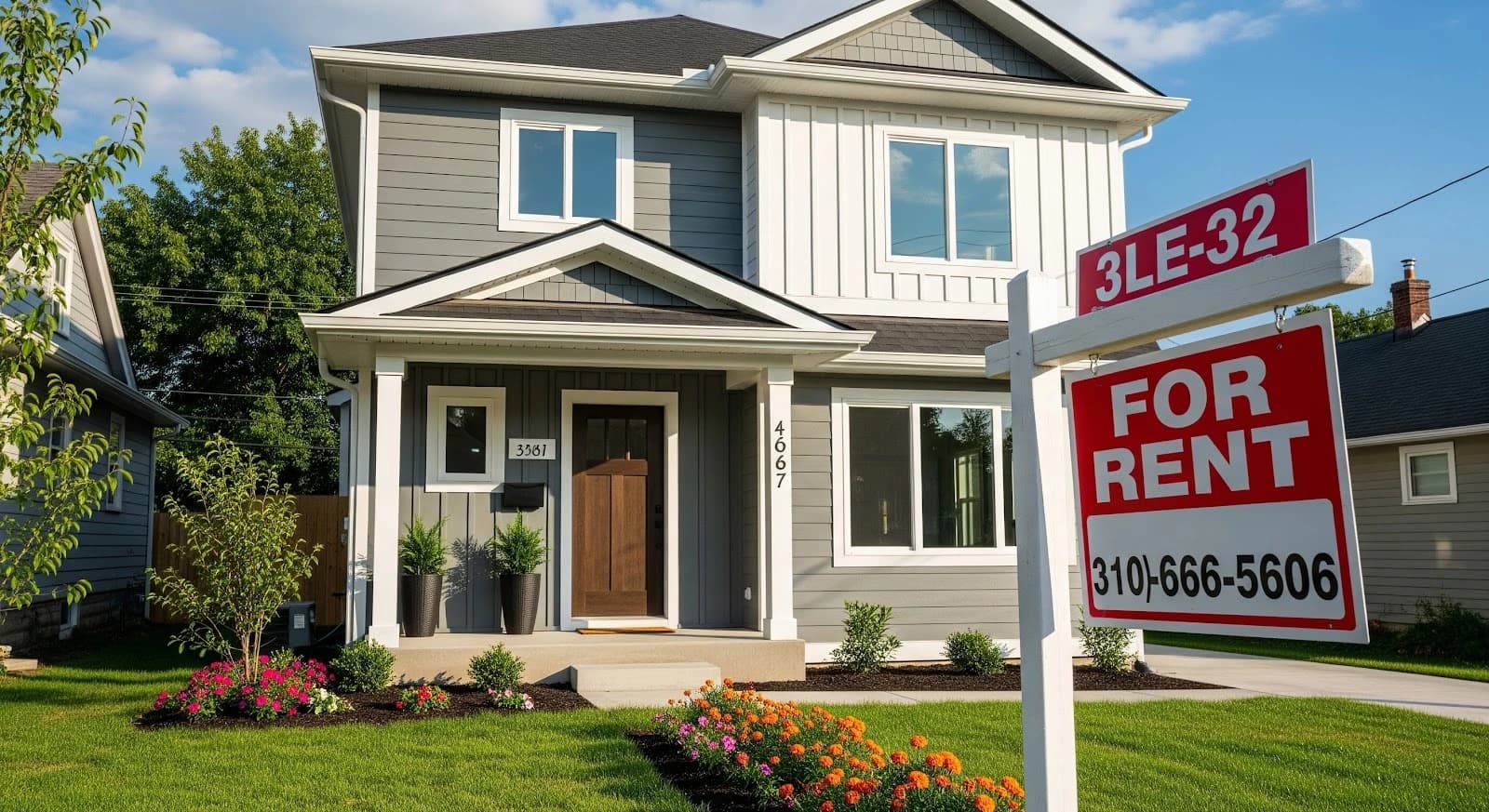
Yield maximization is not all about rent. Expenses are silent murderers—more so when they come in clusters.
Manage the property as a small business.
- Realistically maintain the budget annually (even new constructions require maintenance, minor repairs, and replacement).
- Evaluate insurance, property management, and regular service contracts on an annual basis.
- Monitor all costs every 6-12 months to identify "death by a thousand cuts" (call-outs, leaks, lawn care, consumables).
Depreciation and tax: do not leave money on the table.
In many regions (like the US), the depreciation of residential rental property allows owners to claim a tax deduction on the cost of purchasing or improving the real estate. Regardless of local regulations, the principle remains: seek expert tax advice early so that your structure and records are established properly from day one.
Consider your build path.
Some investors seek quicker, more predictable constructions (such as modular homes Queensland) to become profitable faster and minimize holding costs. For example, considering modular options can be part of a general "speed to rent" approach.
Summary: Tips for Maximizing Rental Income
The three habits of success to maximize rental yield are: know your numbers (net yield, not gross); buy and price based on evidence (comps and realistic value); and remember that vacancy and expenses are major levers. If you master these, your rent increases will happen naturally, good tenants will stay longer, and the property will not feel as stressed as it often does for unprepared investors.

House Hunting, Land Buying & Property Marketing
Smarter with Hao Finder™
Whether you're looking for your next home, investing in land, or marketing real estate listings — Hao Finder™ gives you verified properties, expert insights, and digital tools that simplify your journey.
What can PropGPTNewhelp with?
Call us
+254 715 560 734
+254 118 582674
+973.253.3800
Email us
info@haofinder.com
business@haofinder.com
Location
Delta Corner Towers, Westlands, Nairobi |
471 Mundet Place, Ste. US159850 |
Hillside, New Jersey 07205,
United States