Rubber, Metal or Shingle Roof: Which Option Works Best for New Jersey Weather?
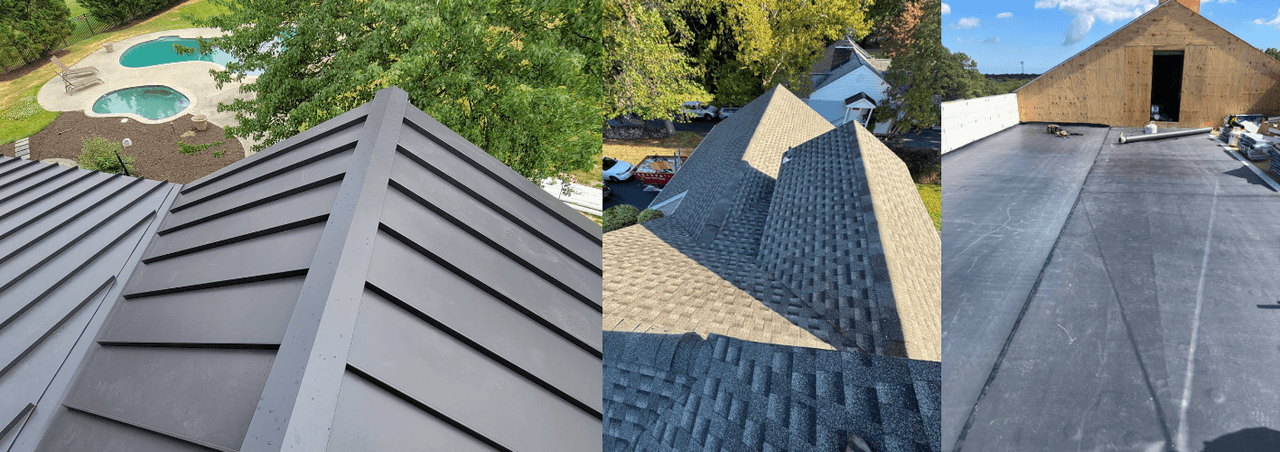
Selecting a roofing system in New Jersey is a long-term decision that directly affects the safety, comfort, and value of your home. This region does not offer forgiving weather conditions. Summers are hot and humid, winters bring freezing temperatures, snow, and ice, and coastal storms often arrive with strong winds and heavy rain. Because of this, every roof in New Jersey faces year-round stress – whether it is a classic shingle roof or a modern metal roof. Homeowners usually come to the same crossroads: rubber, metal, or shingles – which roof performs best in New Jersey's climate? The correct answer depends on several factors, including roof design, geographic location, budget limitations, and how long you plan to stay in the home. Below, we take an in-depth and practical look at how each roofing material holds up under real New Jersey weather conditions.
New Jersey Climate Explained: Why Roofing Materials Matter
New Jersey lies in a zone where roofing systems must tolerate constant environmental pressure. A reliable roof must be able to handle:
- Intense summer heat combined with high humidity and UV exposure
- Cold winters with snow, ice, and repeated freeze–thaw cycles
- Frequent rain throughout all seasons
- Strong winds, especially in coastal and open areas
- Sudden temperature shifts within short periods of time
These conditions accelerate wear and tear. Materials expand and contract, fasteners loosen, and surfaces degrade faster than in milder climates. A poorly chosen roof can result in leaks, mold growth, ice dam issues, and premature replacement costs. That is why material durability, flexibility, moisture protection, and high-quality installation are especially important for New Jersey homes.
Rubber Roofing: Reliable Protection for Flat Roofs
Rubber roofing refers primarily to EPDM and TPO, two single-ply membrane systems commonly used on flat and low-slope roofs across New Jersey. Both materials are popular in residential and commercial construction, but they serve slightly different needs.
EPDM Roofing: Long-Standing Performance in Harsh Conditions
EPDM is a synthetic rubber membrane valued for its flexibility and long service life. In New Jersey, it is widely recognized as a dependable option for handling extreme seasonal changes.
EPDM Performance in New Jersey
EPDM adapts well to temperature fluctuations. It expands and contracts without cracking, which is critical during winter freeze–thaw cycles. Its waterproof surface also performs well during heavy rain and snowmelt.
Key Benefits of EPDM Roofing
- Excellent resistance to water intrusion
- High flexibility in cold weather
- Strong protection against UV radiation and ozone
- Typical lifespan of 30–50 years with proper care
- Minimal maintenance requirements
Limitations of EPDM
- Limited color choices, usually black
- Best suited for flat or low-slope roofs only
- Proper installation is essential to avoid seam failure
TPO Roofing: Energy Efficiency and Heat Reflection
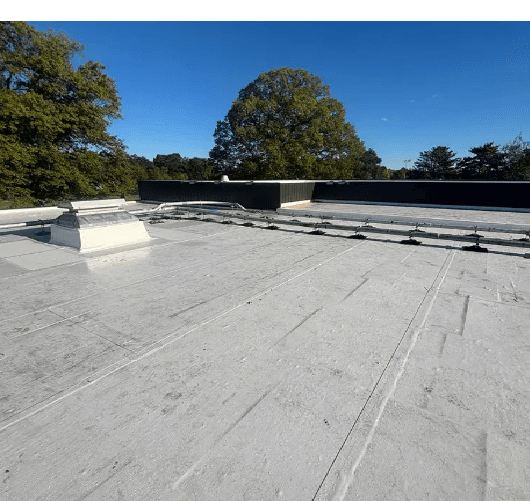
TPO is a newer thermoplastic membrane that has gained popularity in New Jersey due to its reflective properties and energy-saving potential.
TPO Performance in New Jersey
TPO performs particularly well during hot summers. Its light-colored surface reflects sunlight, helping reduce roof temperatures and cooling costs. At the same time, it offers solid resistance to moisture, UV exposure, and biological growth.
Advantages of TPO Roofing
- Reflective surface improves energy efficiency
- Heat-welded seams create strong waterproof bonds
- Resistant to mold, chemicals, and UV damage
- Lightweight material reduces structural load
- Average lifespan of 20–30+ years
Drawbacks of TPO
- Shorter long-term performance history than EPDM
- Quality varies by manufacturer
- Less flexible than EPDM in extreme cold
EPDM or TPO: Which Rubber Roof Is Better for New Jersey?
- Choose EPDM for superior cold-weather flexibility and proven longevity
- Choose TPO for improved energy efficiency and summer heat control
Is Rubber Roofing Suitable for New Jersey?
Yes. Both EPDM and TPO are strong choices for flat and low-slope roofs in New Jersey. The right option depends on insulation goals, roof usage, and climate priorities.
Metal Roofing: Durability and Performance in Every Season
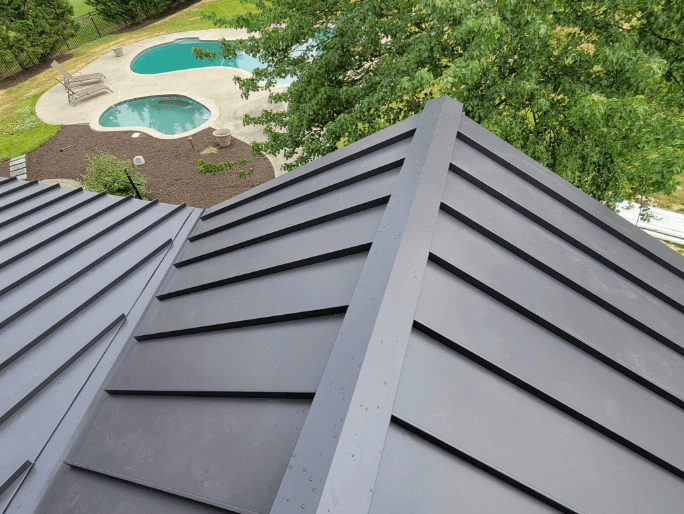
Metal roofing continues to grow in popularity throughout New Jersey. Homeowners appreciate its strength, sleek appearance, and long lifespan.
How Metal Roofing Performs in New Jersey
Metal roofs handle New Jersey's seasonal extremes exceptionally well. Snow sheds easily in winter, reducing ice dam risks. In summer, reflective coatings limit heat absorption and improve energy efficiency. When installed correctly, metal roofing provides strong resistance to wind, rain, and storm damage.
Benefits of Metal Roofing
- Lifespan often reaching 40–70 years
- Excellent performance in snow and ice conditions
- High wind resistance
- Fire and mold resistance
- Energy-efficient design options
Potential Challenges
- Higher upfront investment
- Noise without proper insulation
- Requires experienced installers to manage thermal movement
Is a Metal Roof a Smart Choice for New Jersey?
Yes. A metal roof is one of the most durable and climate-resistant options available for New Jersey homeowners, especially for those focused on long-term value.
Asphalt Shingles: Popular and Budget-Friendly, With Limits
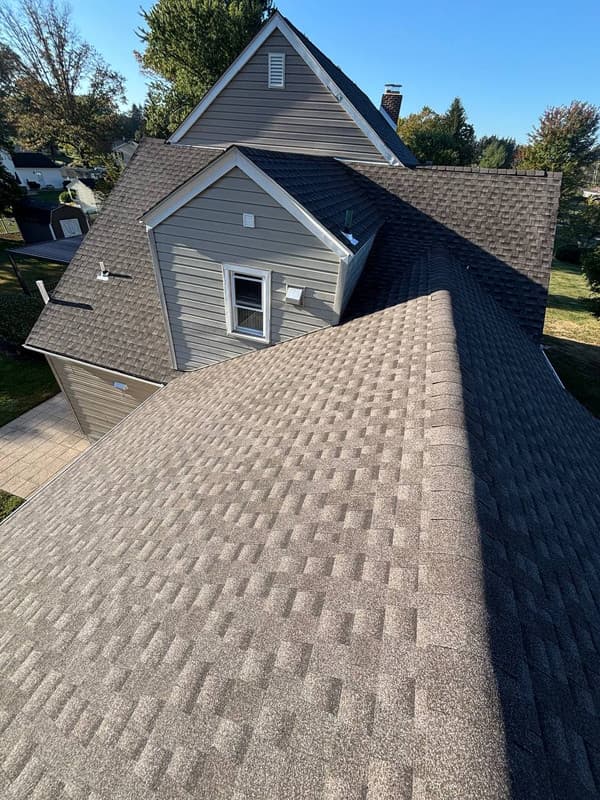
Asphalt shingles remain the most commonly installed roofing material in New Jersey due to their affordability and versatility.
Shingle Performance in New Jersey
While shingles work well in moderate conditions, New Jersey weather accelerates their aging. Moisture, wind, and temperature swings can shorten their lifespan.
Advantages of Asphalt Shingles
- Lowest initial cost
- Fast installation
- Wide range of colors and styles
- Simple repairs
Drawbacks to Consider
- Average lifespan of 20–30 years
- More susceptible to wind and moisture damage
- Higher maintenance needs over time
- Lower energy efficiency than metal roofing
Are Shingles Still a Viable Option?
Yes, especially for homeowners with limited budgets. However, they may require earlier replacement compared to rubber or metal systems.
Coastal vs Inland New Jersey: Why Location Matters
Coastal Regions
- Stronger winds
- Salt air exposure
- Higher storm frequency
Best options: Metal roofing or high-quality rubber roofing
Higher risk: Standard shingles without enhanced wind ratings
Inland Regions
- Frequent freeze–thaw cycles
- Heavy snowfall
- Wide temperature variations
Best options: Metal and rubber roofing
Acceptable option: Asphalt shingles with proper ventilation and underlayment
Cost Versus Long-Term Value
Upfront cost is important, but long-term performance often matters more.
- Rubber roofing: medium cost, 30–50-year lifespan
- Metal roofing: higher cost, 40–70-year lifespan
- Asphalt shingles: lower cost, 20–30-year lifespan
In New Jersey, investing more initially often leads to fewer repairs, affordable roof renovations and longer roof life.
Installation Quality: A Critical Factor
Even the best roofing material can fail if installed incorrectly. Professional installation ensures proper ventilation, secure fastening, and effective moisture control. Experienced contractors will:
- Design ventilation systems correctly
- Use climate-appropriate underlayment
- Protect against wind uplift
- Prevent water buildup and ice dams
Final Recommendation: Choosing the Right Roof for New Jersey
There is no universal solution, but clear guidelines exist:
- Flat or low-slope roofs – rubber roofing
- Maximum durability and longevity – metal roofing
- Lower upfront cost and classic appearance – asphalt shingles
The best roof balances climate resistance, budget, structure, and long-term plans.
Final Thoughts
New Jersey weather is demanding. Roofs must withstand moisture, wind, heat, cold, and constant seasonal changes. Rubber, metal, and shingle systems can all perform well when chosen correctly and installed professionally.
Making the right roofing decision today helps protect your home, comfort, and investment for many years ahead.

House Hunting, Land Buying & Property Marketing
Smarter with Hao Finder™
Whether you're looking for your next home, investing in land, or marketing real estate listings — Hao Finder™ gives you verified properties, expert insights, and digital tools that simplify your journey.
What can PropGPTNewhelp with?
Call us
+254 715 560 734
+254 118 582674
+973.253.3800
Email us
info@haofinder.com
business@haofinder.com
Location
Delta Corner Towers, Westlands, Nairobi |
471 Mundet Place, Ste. US159850 |
Hillside, New Jersey 07205,
United States