The Ultimate Guide to Stress-Free Apartment Moving in Boston
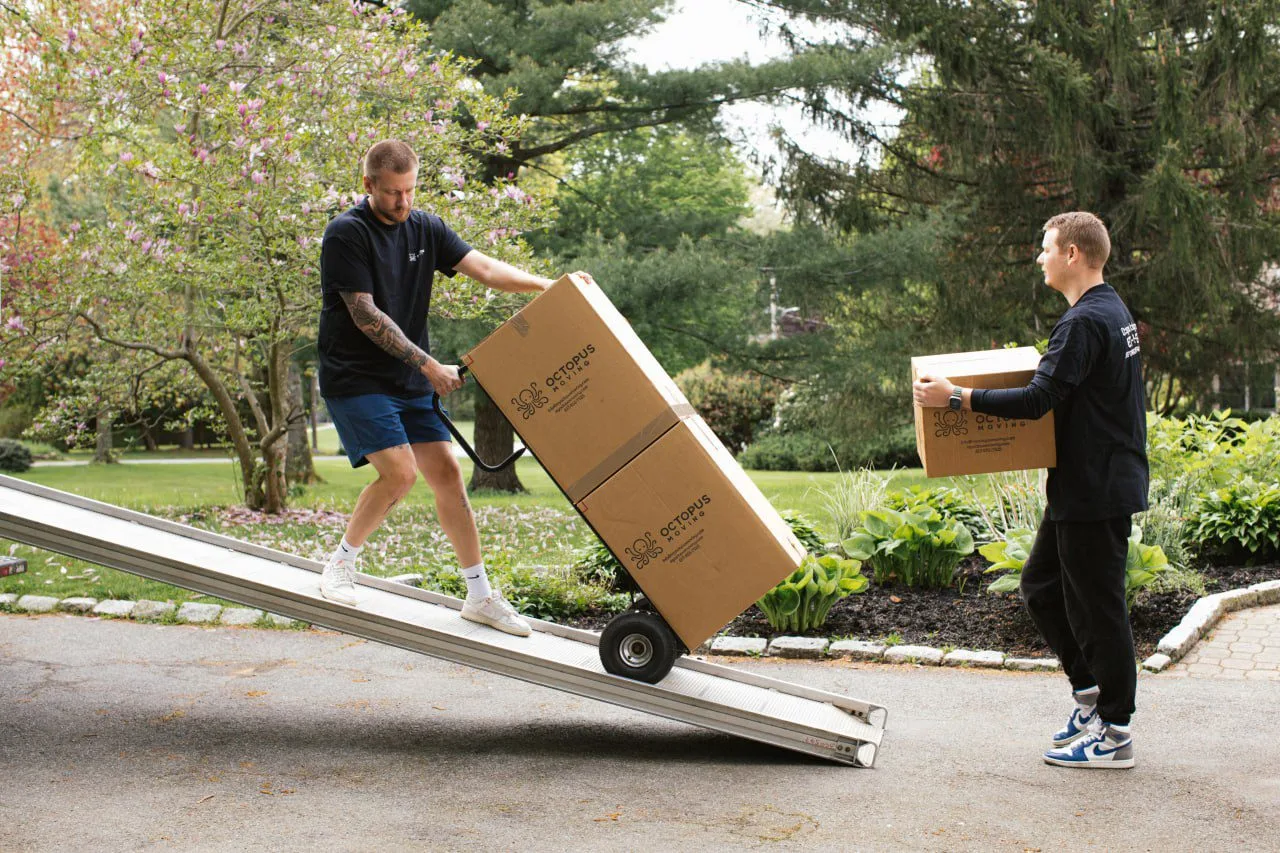
Moving to a new apartment is an exciting milestone—a fresh start, a new neighborhood, and a chance to reimagine your living space. But between packing boxes, coordinating logistics, and worrying about fragile items, the process can quickly become overwhelming. For Boston residents, the challenge is even greater. With narrow streets, historic buildings without elevators, and unpredictable weather, apartment moves in this city require special expertise.
That's where professional movers make all the difference. They bring the right equipment, proven techniques, and the efficiency that turns a stressful day into a smooth transition. For those planning a move in the Greater Boston area, Octopus Moving has earned a reputation as trusted apartment movers in Boston, providing licensed, insured, and highly rated services that take the hassle out of relocation.
Why Boston Apartment Moves Are Unique
Boston is a city of character—and that character comes with specific moving challenges. Many apartment buildings in neighborhoods like Back Bay, Beacon Hill, and the North End were built before modern moving standards existed. Staircases are narrow, doorways are tight, and elevator access is often limited or nonexistent. Street parking restrictions, one-way roads, and permit requirements add layers of complexity that out-of-town movers might not anticipate.
Local expertise matters. Movers who understand Boston's neighborhoods know which streets allow truck parking, how to navigate tight alleyways, and how to protect building common areas during a move. They also understand the city's permit requirements and can handle the paperwork so you don't have to.
The True Cost of a DIY Apartment Move
Many renters consider moving themselves to save money. But when you factor in truck rentals, fuel, equipment, insurance, and the physical toll on your body, the savings often disappear. A typical DIY move involves:
- Renting a truck (average $50-$150 per day, plus mileage and fuel)
- Purchasing or renting moving equipment (dollies, furniture pads, straps)
- Taking time off work (lost wages or vacation days)
- Risk of injury from heavy lifting
- Potential damage to furniture or building property
For apartment dwellers in Boston, these costs multiply. Limited parking means you might have to pay for a moving permit. Old buildings without elevators mean carrying heavy items up multiple flights of stairs—a task that can easily lead to strain or injury.
Professional movers bring insurance coverage that protects your belongings. If something is damaged during a professional move, you're covered. With a DIY move, any damage comes out of your pocket.
| DIY Move Cost Factor | Average Cost | Hidden Risk |
|---|---|---|
| Truck Rental | $50-$150/day + mileage | Limited parking, permit fees |
| Moving Equipment | $50-$200 | Improper use leads to damage |
| Time Off Work | $200-$600 (lost wages) | Physical exhaustion |
| Potential Damage | $500-$2,000+ | No insurance coverage |
What the Research Says About Moving Stress
Studies consistently show that moving ranks among life's most stressful events. The combination of logistical complexity, financial pressure, and emotional attachment to belongings creates a perfect storm of anxiety. According to the American Moving & Storage Association, the average American moves 11.7 times in their lifetime, making it a recurring challenge rather than a one-time event.
Professional moving services reduce this stress by handling the physical labor, equipment, and logistics. A 2022 survey found that 72% of respondents who used professional movers reported significantly lower stress levels compared to previous DIY moves. The primary reasons cited were:
- Reduced physical exertion
- Faster completion times
- Less damage to belongings
- Peace of mind from insurance coverage
Smart Apartment Moving Strategies
Whether you're hiring professionals or handling part of the move yourself, these strategies make the process smoother.
1. Create a Moving Timeline
Start planning at least 6-8 weeks before your move date. This allows time to research movers, gather supplies, and tackle tasks systematically. A typical timeline looks like this:
- 8 weeks out: Research moving companies
- 6 weeks out: Begin decluttering and sorting
- 4 weeks out: Confirm moving date and book movers
- 3 weeks out: Start packing non-essential items
- 1-2 weeks out: Finalize packing and confirm details
- Moving day: Be present for loading and unloading
2. Measure Your New Space
Before moving day, measure your new apartment's doorways, hallways, and elevator (if applicable). Knowing whether your sofa will fit around a tight corner saves a lot of frustration. Take photos and notes to share with your movers.
3. Pack an Essentials Box
Pack a separate box with items you'll need immediately: toiletries, a change of clothes, phone chargers, medications, important documents, and basic kitchen supplies. Keep this box accessible so you're not rummaging through dozens of boxes on moving night.
4. Communicate Clearly With Your Building
Inform your current and new building management about your moving date. Reserve elevators, parking spaces, and schedule any required insurance certificates. Some buildings require specific moving time windows, so confirm these details early.
5. Label Everything
Clear labeling on boxes saves time during unpacking. Mark boxes with their room destination and a brief description of contents. For fragile items, clearly indicate "Handle with Care" and indicate which side is up.
| Moving Strategy | Key Action | Benefit |
|---|---|---|
| Create a timeline | Plan 6-8 weeks ahead | Reduces last-minute stress |
| Measure new space | Check doorways, hallways, elevator | Prevents moving-day surprises |
| Pack essentials box | First-night necessities | Immediate comfort after move |
| Label everything | Room destination + contents | Efficient unpacking |
Understanding Moving Insurance
One aspect of moving that many renters overlook is insurance coverage. Professional moving companies offer different levels of protection:
Released Value Protection: The most basic coverage, included at no extra charge. It provides minimal reimbursement (typically $0.60 per pound per item). For a 10-pound lamp, that's about $6 in coverage.
Full Value Protection: More comprehensive coverage that requires an additional fee. Your mover takes responsibility for the full value of any lost or damaged items. This is worth considering for valuable belongings.
Some renters also have coverage through their renters insurance policy. Check with your provider to understand what moving-related damage might be covered.
Boston-Specific Moving Considerations
Boston's unique characteristics demand special attention when planning a move.
Permits and Parking
Most Boston moves require a parking permit or space reservation. The City of Boston requires permits for moving trucks on public streets. Applications typically take 3-5 business days to process. Some neighborhoods have additional restrictions, especially in congested areas like the North End or Beacon Hill.
Weather Preparedness
Boston weather is unpredictable. Snow, ice, and rain can make moving hazardous. Professional movers have experience working in various weather conditions and come prepared with protective equipment. If you're moving in winter, wear appropriate footwear and allow extra time.
Historic Building Restrictions
Many of Boston's apartment buildings are historic landmarks with strict rules about moving. Some require specific insulation on doorways or protection for floors. Your moving company should be familiar with these requirements and have the necessary equipment.
The Environmental Impact of Moving
Moving generates significant waste. Cardboard boxes, packing tape, and plastic wrap contribute to landfill waste. Consider these eco-friendly options:
- Use reusable plastic bins instead of cardboard boxes
- Rent moving blankets instead of buying new ones
- Donate unwanted items rather than throwing them away
- Choose a moving company that uses sustainable practices
Octopus Moving, for example, encourages customers to donate usable items and uses recycled packing materials whenever possible.
Choosing the Right Apartment Moving Company
Selecting a professional mover requires research and careful comparison. Here's what to look for:
- Licensing and Insurance: Verify that the company is licensed and insured. For interstate moves, check their USDOT number. For local moves in Massachusetts, check their registration with the state.
- Transparent Pricing: Avoid companies that give estimates over the phone without seeing your belongings. Reputable movers provide in-home or virtual estimates and explain all potential charges.
- Experience with Apartments: Some moving companies specialize in residential moves; others focus on commercial moves. Choose a company with proven experience in apartment moving, specifically in your city.
- Online Reviews: Read reviews on multiple platforms. Look for patterns in feedback—consistent praise for punctuality or repeated complaints about damage are significant indicators.
- Dedicated Team: Ask if the same team will handle your entire move. Consistency in crew members improves efficiency and accountability.
| Selection Criteria | What to Verify | Red Flag |
|---|---|---|
| Licensing & Insurance | USDOT number, state registration | Cannot provide proof of insurance |
| Transparent Pricing | In-home/virtual estimate, itemized charges | Phone estimate without seeing belongings |
| Apartment Experience | Portfolio of local apartment moves | Primarily commercial or out-of-state moves |
| Online Reviews | Patterns across multiple platforms | Repeated complaints about damage or delays |
Making Your Move a Positive Experience
A successful move sets the tone for your new chapter. When you arrive at your new apartment feeling organized and stress-free, you can focus on the excitement of your new space rather than the exhaustion of the move.
Professional movers do more than carry boxes—they bring peace of mind. Their experience, equipment, and efficiency transform what could be a chaotic day into a managed process. They handle the heavy lifting so you can focus on the emotional aspects of moving: settling in, decorating, and making your new apartment feel like home.
Frequently Asked Questions About Apartment Moving
How far in advance should I book movers in Boston?
For moves during peak season (May through September), book at least 4-6 weeks in advance. For off-season moves, 2-3 weeks is usually sufficient.
What's the average cost of hiring movers in Boston?
Costs vary based on the size of your apartment, distance, and add-on services. For a one-bedroom apartment, expect to pay between $400-$800 for a local move. Always request a written estimate.
Do movers pack boxes for me?
Yes. Most moving companies offer packing services for an additional fee. This includes labor, materials, and sometimes unpacking services at your destination.
What items can't I move with a professional moving company?
Most movers won't transport hazardous materials, perishable food, plants, or pets. Check with your specific moving company for their complete list of prohibited items.
What if something gets damaged during the move?
With full value protection, you're covered for the replacement value. With released value protection, coverage is minimal. Always read your moving contract carefully and ask questions about insurance coverage.
Final Thoughts
Moving into a new apartment represents a fresh start—a chance to create a space that reflects your current life and aspirations. The journey to get there shouldn't be burdened by unnecessary stress or physical strain.
By understanding Boston's unique moving challenges, preparing systematically, and choosing professional movers with proven expertise, you can transform moving day from a dreaded chore into a manageable milestone. Whether you're relocating across town or across state lines, the principles remain the same: plan ahead, prioritize safety, and don't hesitate to call in professional help.
Your new apartment awaits—make the move a positive beginning to your next chapter.

House Hunting, Land Buying & Property Marketing
Smarter with Hao Finder™
Whether you're looking for your next home, investing in land, or marketing real estate listings — Hao Finder™ gives you verified properties, expert insights, and digital tools that simplify your journey.
Call us
+254 715 560 734
+254 118 582674
+973.253.3800
Email us
info@haofinder.com
business@haofinder.com
Location
Delta Corner Towers, Westlands, Nairobi |
471 Mundet Place, Ste. US159850 |
Hillside, New Jersey 07205,
United States