What Every Homebuyer Should Know About Windows Before Closing Day
Buying a home involves evaluating dozens of features, from the foundation to the roof. Somewhere in the middle of that checklist, the windows deserve more attention than most buyers give them. Windows affect energy costs, comfort, street appeal, and resale value, yet they are one of the most overlooked elements during the home buying process.
Understanding what to look for can save you from unexpected expenses after you move in and help you negotiate a better deal before closing.
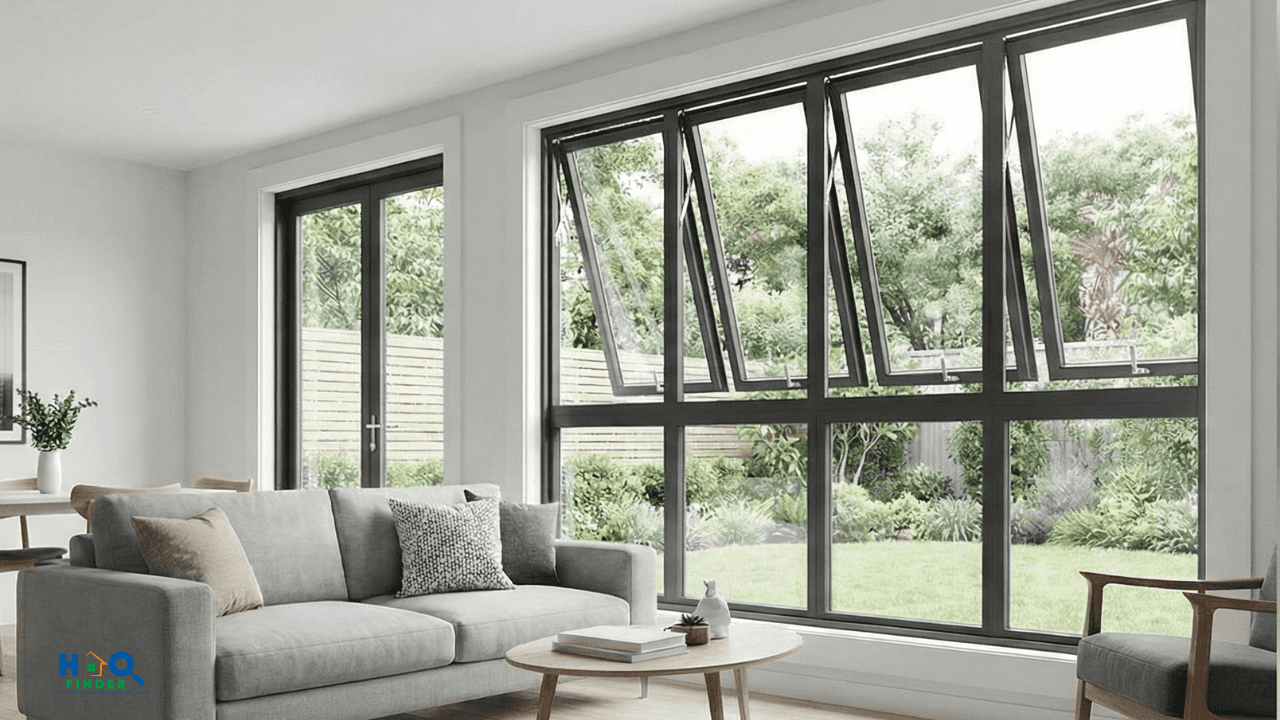
Age and Condition Tell the Real Story
The first thing to assess is how old the windows are. In the Greater Toronto Area, many homes built before 2005 still have their original double pane windows, and some older properties still feature single pane units. Windows typically last 15 to 25 years depending on quality and maintenance, so any home with windows approaching or exceeding that range will likely need replacements in the near term.
During a walkthrough, look for visible signs of deterioration. Condensation or fogging between glass panes indicates a failed seal on the insulated glass unit. Drafts around the frame suggest worn weatherstripping or improper installation. Difficulty opening or closing the window points to frame warping, hardware failure, or balance system issues in hung-style windows.
Energy Ratings Matter More Than You Think
In a market like the GTA, where winters routinely push well below freezing and summers bring sustained heat and humidity, window energy performance directly impacts monthly utility bills. Homes with outdated, single or low-quality double pane windows can lose 25% to 30% of their heating energy through the glass and frames.
When evaluating a property, check whether the windows carry an ENERGY STAR label and what climate zone they are rated for. Canada uses a zone system, and windows rated for Zone 1 (which covers southern Ontario) must meet specific U-factor and solar heat gain requirements. If the windows were installed before current standards took effect, upgrading them could be one of the most cost-effective improvements you make after purchase.
Replacement Costs and Planning
If you determine that the home you are buying will need new windows within the first few years, it is smart to factor that cost into your offer or at least your budgeting. Full window replacement for an average GTA home ranges from $10,000 to $25,000 depending on the number of openings, window styles, and the level of product you select.
Working with a local manufacturer that handles production and installation in-house tends to simplify the process and reduce costs compared to dealing with separate suppliers, fabricators, and contractors. Shorter supply chains also mean faster turnaround and fewer opportunities for miscommunication on sizing and specifications.
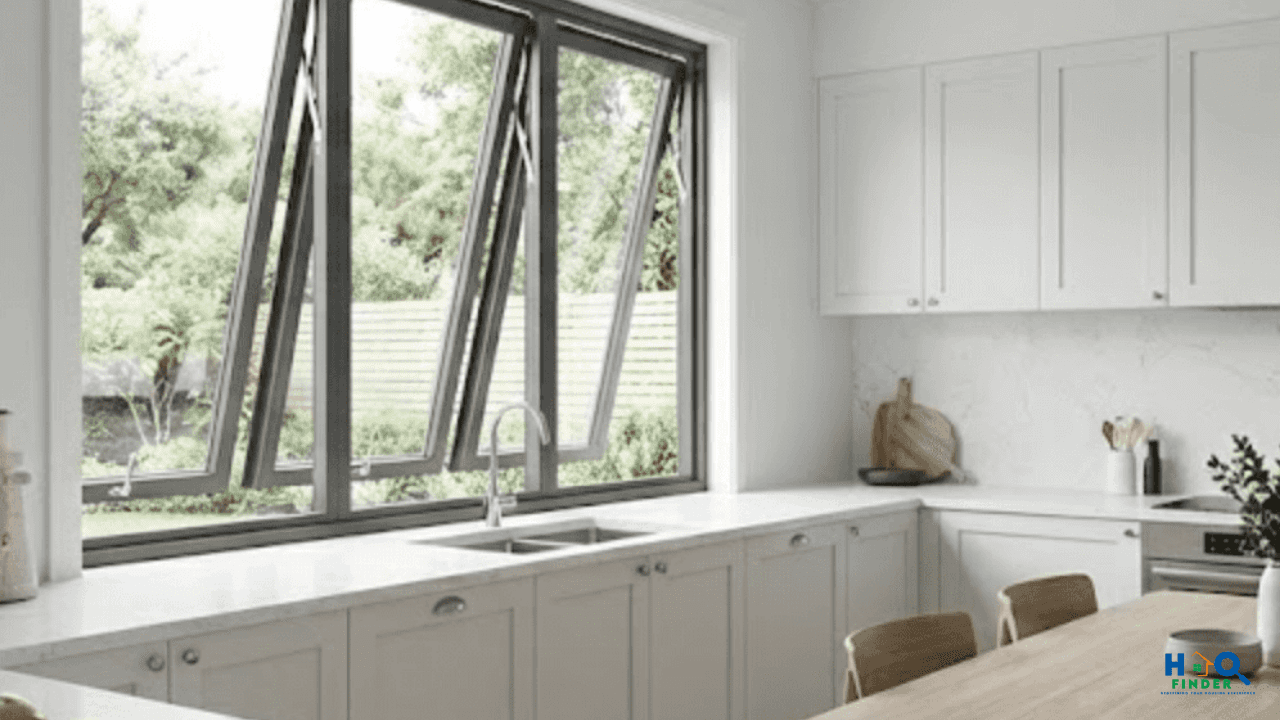
Using Window Condition as a Negotiation Tool
Home inspectors will note window condition in their reports, but they rarely quantify the cost of replacement. If a home inspection reveals aging or underperforming windows, you can request quotes from local window companies and use those estimates in your negotiations. Sellers are often willing to adjust price or offer credits when presented with specific, documented replacement costs.
For a detailed breakdown of what to expect when planning a window upgrade in the Greater Toronto Area, including pricing factors, product options, and installation considerations, this GTA window replacement guide covers everything buyers and new homeowners need to know.
The Bottom Line for Buyers
Windows are not just a cosmetic feature. They are a functional building component that affects your comfort, your energy bills, and your home's long-term value. Taking ten minutes during each property viewing to evaluate window age, condition, and performance can save you thousands of dollars and help you make a more informed buying decision.

House Hunting, Land Buying & Property Marketing
Smarter with Hao Finder™
Whether you're looking for your next home, investing in land, or marketing real estate listings — Hao Finder™ gives you verified properties, expert insights, and digital tools that simplify your journey.
Call us
+254 715 560 734
+254 118 582674
+973.253.3800
Email us
info@haofinder.com
business@haofinder.com
Location
Delta Corner Towers, Westlands, Nairobi |
471 Mundet Place, Ste. US159850 |
Hillside, New Jersey 07205,
United States