What Is a Capsule House — and Is It Actually Comfortable to Live In?
If you've been seeing the term capsule house everywhere and wondering whether it's genuinely comfortable or just another passing trend, you're not alone. This guide breaks down what living in one is actually like — the space, the lifestyle, the surprises, and whether it works long term. Short answer: It can be extremely comfortable — if your lifestyle fits the layout. Let's look at it honestly.
What Is a Capsule House, Really?
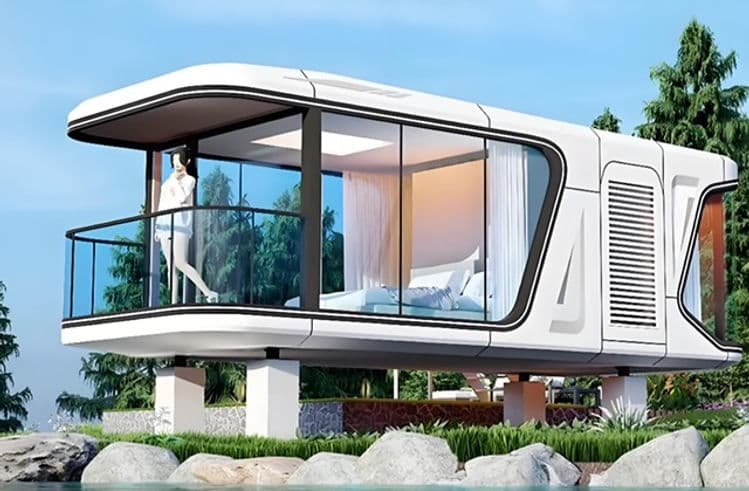
A capsule house is a compact, prefabricated dwelling designed to maximise usable space without unnecessary extras. It's usually built off-site and delivered largely complete, then installed on a prepared foundation, which helps streamline the process. This isn't about novelty living. It's about efficiency and thoughtful design. Modern capsule homes focus on open layouts that avoid wasted space, integrated storage that keeps clutter under control, and large windows that bring in natural light so the interior feels airy rather than cramped. Proper insulation and ventilation are also key, making the home comfortable across different climates. If you explore how prefab capsule homes in Australia are positioned today, you'll see the focus is on practical, modern living — not minimalism for the sake of it. The goal isn't to shrink your life. It's to remove space you don't actually use.
How Is It Different From a Tiny Home?
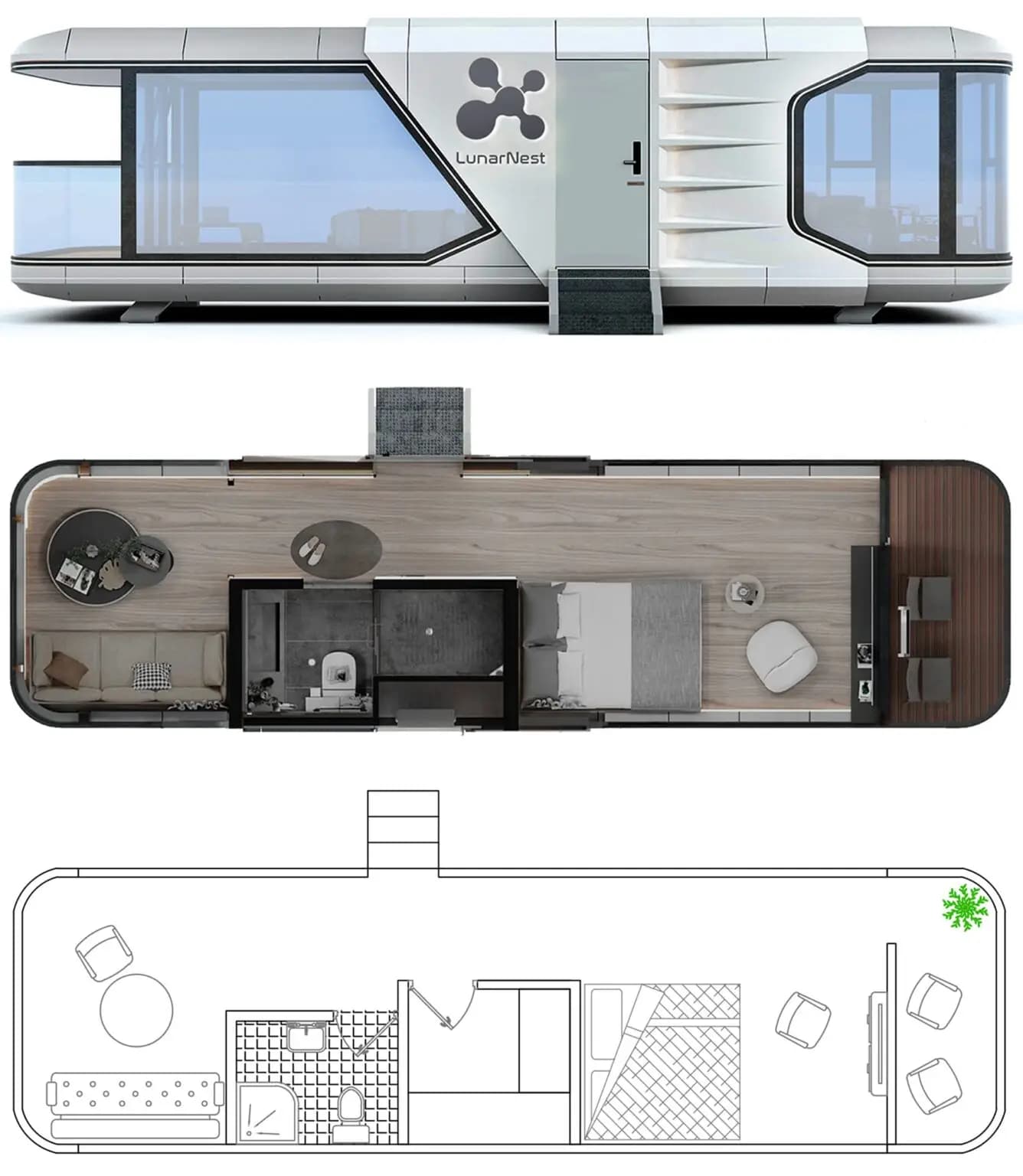
People often confuse capsule tiny houses, but they're not the same. Tiny homes usually push extreme downsizing. They're often built on wheels and designed around strict footprint limits, which can make them feel more experimental or temporary. A capsule house, on the other hand, is typically fixed in place, fully insulated, and built to modern housing standards. It's designed for everyday living rather than just novelty or mobility. Tiny living tends to ask, "How little can you survive with?" Capsule living asks, "How efficiently can you live?" That shift in mindset makes a real difference once you're actually living inside the space.
How Much Space Do You Really Get?
This is where expectations need adjusting. A capsule home doesn't include spare bedrooms or oversized corridors that go unused. Instead, you'll usually find a defined sleeping area, a compact kitchen, a proper bathroom, and an open-plan living space with built-in storage. The footprint may be modest, but the smart layout makes it feel functional rather than cramped.
Open Layout Creates Breathing Room
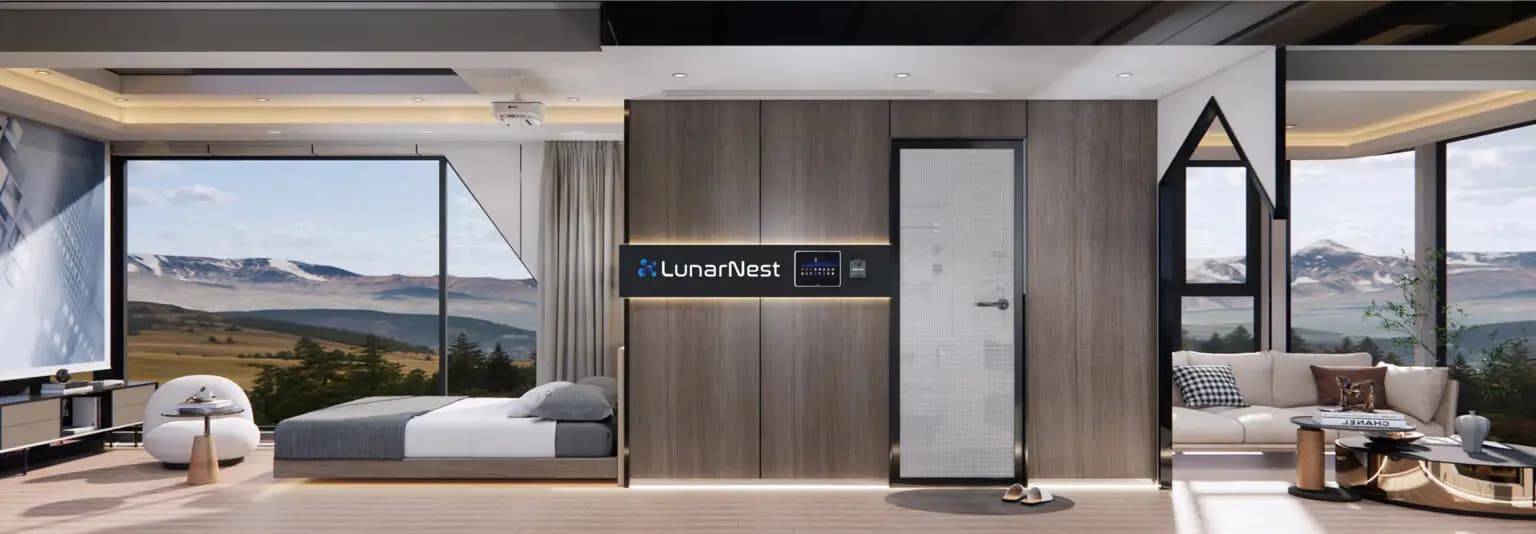
High ceilings and large windows help reduce the boxed-in feeling. Natural light and clear sightlines make the space feel bigger than the measurements suggest.
Storage Is Intentional
Storage is designed into the structure from the start, with built-in wardrobes and cabinetry. You're not losing space — you're using it more efficiently.
Is a Capsule House Comfortable in Different Climates?
Comfort depends far more on build quality than on size. A well-constructed modular capsule home can feel stable and temperature-controlled when insulation, ventilation, and glazing are properly designed. In hotter regions, good airflow and shading help prevent heat build-up. In cooler climates, strong thermal sealing and quality insulation keep the interior comfortable. Size alone doesn't determine comfort. Design does.
What Surprises People After Moving In?
Many expect it to feel restrictive. Instead, the biggest surprises tend to be lifestyle-related.
You Stop Accumulating Unnecessary Things
There's no spare room to hide clutter. Every item has a place — or it doesn't stay. That shift can feel confronting at first, but many people describe it as freeing. You become more selective and intentional.
Cleaning Becomes Simple
With a smaller footprint, maintenance is dramatically reduced. You can vacuum, wipe surfaces, and tidy in under an hour. That changes how often you reset your space — and how stressful upkeep feels.
Energy Use Drops
Heating and cooling a compact structure takes less effort. Over time, that efficiency can feel practical rather than just economical. It tends to suit people who value simplicity, low maintenance, modern layouts, and practical design over excess space. It often works well for singles, couples, downsizers, or as a backyard dwelling or guest accommodation, because the layout focuses on function rather than extra rooms. The real question isn't whether the home is large. It's whether it aligns with how you live.
What Are the Trade-Offs?
It's important to stay realistic. Compact living isn't perfect for everyone.
Storage Is Finite
Bulk purchases and oversized furniturerequire planning. If you prefer having "just in case" space, you may feel limited.
Privacy Can Be Reduced
In very compact layouts, sound travels more easily. Households with very different routines may need to think carefully about configuration.
Expansion Requires Planning
Adding extra rooms later isn't always straightforward unless designed in advance. These aren't flaws. They're structural realities of compact design.
Can It Work Long-Term?
Yes — when expectations match your lifestyle. Long-term comfort in a capsule house depends more on build quality, smart layout, and personal habits than on total square metres. Solid construction and proper insulation keep the home comfortable year-round, while a thoughtful layout prevents it from feeling cramped. Your own habits matter too — people who prefer organised, uncluttered spaces tend to adapt more easily. If you value simplicity and structure, it can feel calm and efficient. If you equate comfort with extra rooms and expansive space, it may feel limiting over time. The space doesn't change. Your relationship with space does.
Is Capsule Living a Trend — or a Shift?
It might look trendy on social media, but capsule living is being driven by practical changes. Land is getting more expensive, blocks are getting smaller, and more people are working from home. Many also want lower maintenance and better energy efficiency. Compact homes sit between large suburban houses and ultra-small tiny homes, offering a balanced option. For many people, that middle ground feels practical — not just fashionable.
So — Is a Capsule House Right for You?
Ask yourself honestly: Do you want less upkeep? Are you comfortable living without spare rooms? Do you prefer efficiency over space that rarely gets used? Would simplifying your environment reduce stress — or create it? A capsule house isn't about shrinking your life. It's about designing it with intention and keeping what truly matters. For some people, that can feel limiting. For others, it feels like relief. In the end, the decision comes down to how you actually live — not how many square metres you have.

House Hunting, Land Buying & Property Marketing
Smarter with Hao Finder™
Whether you're looking for your next home, investing in land, or marketing real estate listings — Hao Finder™ gives you verified properties, expert insights, and digital tools that simplify your journey.
What can PropGPTNewhelp with?
Call us
+254 715 560 734
+254 118 582674
+973.253.3800
Email us
info@haofinder.com
business@haofinder.com
Location
Delta Corner Towers, Westlands, Nairobi |
471 Mundet Place, Ste. US159850 |
Hillside, New Jersey 07205,
United States