How to Find and Fix a Roof Leak Before It Causes Major Damage
A leaking roof is one of the most common yet potentially destructive problems a property can face. Even a small leak can cause significant damage over time, affecting structural elements, interior finishes, insulation, and electrical systems. Identifying and repairing a roof leak early is essential to protect your property, prevent costly repairs, and maintain a safe environment. Understanding how to find and fix a roof leak before it escalates can save homeowners and business operators both time and money.
Recognising the Signs of a Roof Leak
The first step in addressing a roof leak is recognising the signs that indicate there may be a problem. Common indicators include water stains on ceilings or walls, damp patches, peeling paint, and mould growth. During or after heavy rain, look for dripping water or puddles forming inside the property. A musty odour can also suggest prolonged moisture exposure from a leak.
Roof leaks may not always be immediately visible, especially if they are small or hidden beneath roofing materials. Paying attention to subtle changes in the interior environment, such as sudden increases in humidity or warped ceiling panels, can help identify leaks before they worsen.
Inspecting the Roof Safely
Once signs of a leak are detected, the next step is a careful inspection of the roof. Safety is the most important consideration. Slippery or damaged roofing materials can pose serious risks, so avoid climbing onto the roof alone. Using binoculars or a drone can help inspect difficult-to-access areas without putting yourself in danger.
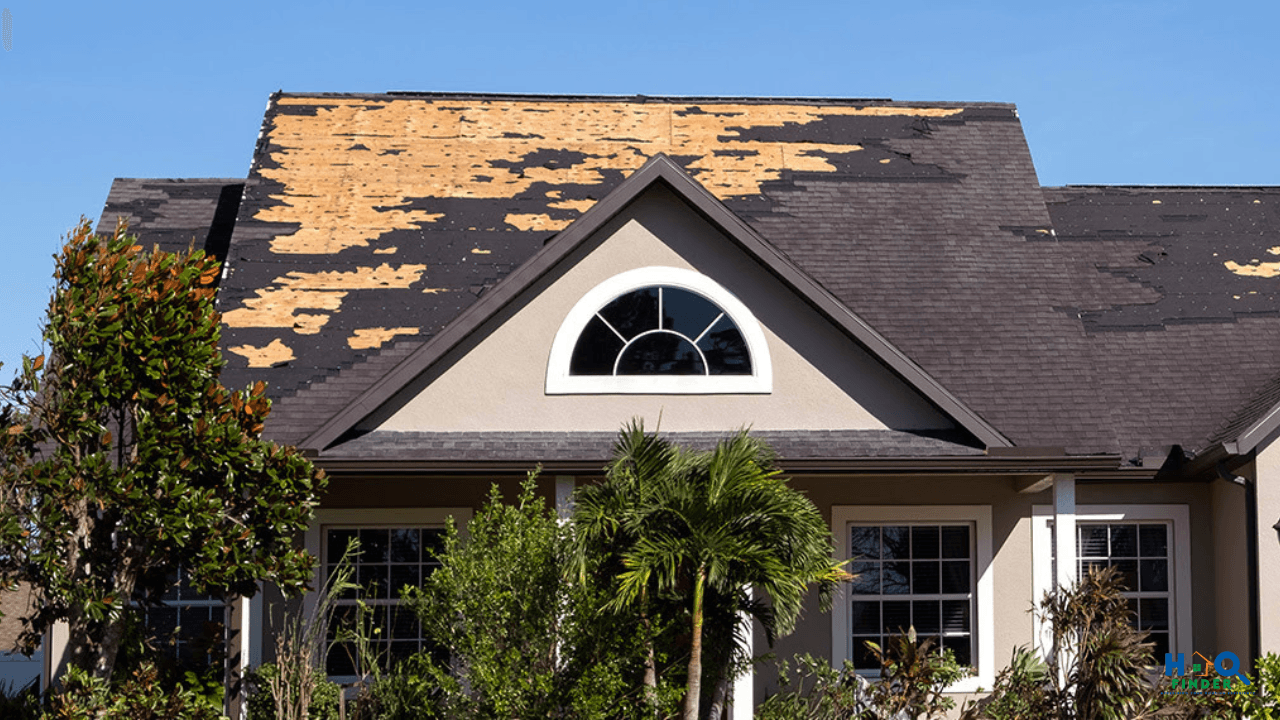
During the inspection, check for cracked, broken, or missing tiles or metal sheets. Examine flashing around chimneys, vents, and skylights, as these areas are common sources of leaks. Look for signs of deterioration in the roofing membrane, such as blistering, bubbling, or punctures. Clear any debris, such as leaves or branches, that may be trapping water and causing pooling.
Tracing the Source of the Leak
Roof leaks can be deceptive because water may travel along structural components before appearing inside the property. Finding the exact source of a leak requires patience and careful observation. If the leak is minor, it may be helpful to use a hose to simulate rainfall and identify where water enters the roof.
Inspecting the attic or ceiling space is also important. Look for damp insulation, water stains on beams, and drips on ceiling boards. Tracing the path of water from the interior back to the exterior can pinpoint the origin of the leak, ensuring repairs target the actual problem rather than the symptoms.
Temporary Measures to Minimise Damage
While planning for permanent repairs, temporary measures can prevent further damage. Use buckets or containers to catch dripping water and prevent it from damaging furniture or flooring. Move valuables away from affected areas and cover them with waterproof materials if necessary.
In some cases, temporary roof patches, tarpaulins, or waterproof tape can provide short-term protection. These measures do not replace professional repairs, but they can limit water intrusion and reduce immediate risks until a qualified roofing contractor can address the issue.
Engaging a Professional Roofing Contractor
Repairing a roof leak requires expertise and specialised tools. Engaging a professional roofing contractor ensures that repairs are performed correctly and in accordance with safety and building standards. Attempting DIY repairs without proper knowledge can worsen the problem, compromise roof integrity, and even void insurance coverage.
Professional contractors can assess the full extent of the damage, recommend the most suitable repair method, and use appropriate materials to restore the roof's waterproofing. They can also inspect surrounding areas to ensure no hidden damage has occurred, reducing the likelihood of recurring leaks. A Big Storm ready Roof goes beyond simple DIY fixes.
Repairing Roof Tiles and Shingles
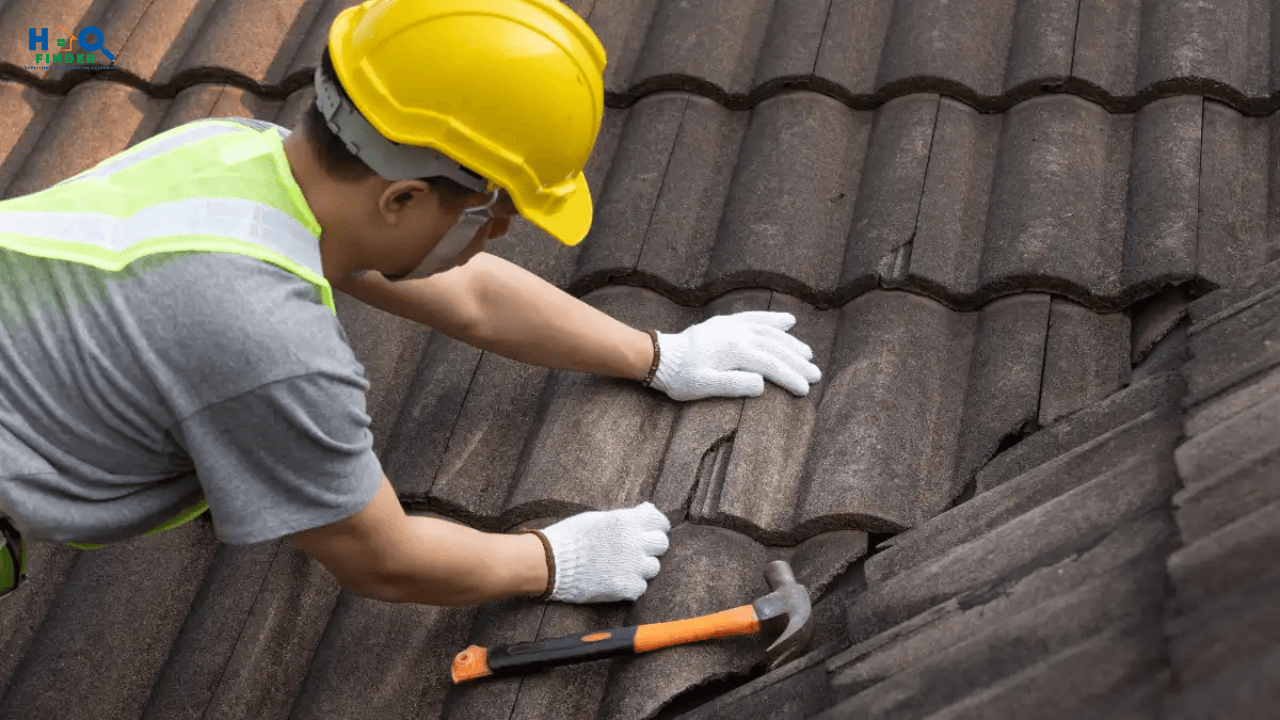
For tiled or shingled roofs, damaged or missing pieces are often the source of leaks. Replacing broken tiles or shingles is a straightforward yet effective repair. Ensure that replacement tiles match the existing roofing material in size, shape, and colour to maintain both functionality and aesthetics.
During replacement, inspect the underlayment for water damage. Wet or rotting underlayment should be removed and replaced, as it is critical for preventing future leaks. Proper installation and alignment are essential to maintain the roof's waterproofing and longevity.
Fixing Flashing and Seals
Flashing around chimneys, vents, and skylights is another common source of leaks. Over time, flashing can become loose, corroded, or damaged, allowing water to penetrate the roof. Repairing flashing involves resealing joints, tightening fasteners, or replacing sections of metal.
Sealants may also need to be reapplied around roof penetrations. Using high-quality roofing sealants ensures a watertight barrier and prevents water from finding weak points in the structure. Professional guidance is recommended to guarantee the repair is durable and weather-resistant.
Repairing Flat Roof Membranes
Flat roofs often use membrane systems, which can develop punctures, cracks, or blisters. Repairing a membrane involves cleaning the damaged area, applying a patch or sealant, and ensuring proper adhesion. For larger areas of deterioration, it may be necessary to replace sections of the membrane entirely.
Regular inspections of membrane roofing help identify small issues before they escalate. Preventative maintenance, such as removing debris and ensuring proper drainage, can extend the lifespan of a flat roof and reduce the likelihood of leaks.
Insurance Considerations
Roof leaks caused by storms, wear and tear, or accidents are often covered by property insurance policies. Documenting the damage thoroughly is essential when filing a claim. Take photographs of the affected areas, both inside and outside the property, and keep records of any temporary measures taken to limit damage.
A professional roofing contractor can provide a detailed report of the damage and the recommended repairs, which supports insurance claims and ensures that coverage is maximised. Timely reporting and repair help prevent further deterioration and reduce the risk of disputes with insurers.
Preventative Measures for the Future
Preventing future roof leaks requires regular maintenance and proactive inspections. Schedule periodic roof checks, especially before and after storm season. Clear gutters and downpipes to ensure proper drainage and avoid water pooling on the roof. Replace ageing or damaged materials promptly and maintain flashing, seals, and membranes to extend the roof's lifespan.
Proper insulation and ventilation in the roof space also help prevent condensation-related leaks. Addressing minor issues early reduces the risk of major damage and contributes to the overall health of the property.
Conclusion
Finding and fixing a flat roof leak before it causes major damage is essential for protecting your property and maintaining a safe, comfortable environment. Recognising the signs of a leak, conducting safe inspections, tracing the source of water ingress, and implementing temporary measures are the first steps in the process. Engaging a professional roofing contractor ensures repairs are performed correctly and effectively, addressing tiles, shingles, flashing, seals, and membranes as needed.
Documenting the damage for insurance purposes, undertaking permanent repairs, and implementing preventative maintenance practices safeguard the roof from future leaks. Proactive management and timely action not only protect your property but also reduce repair costs and minimise disruption to daily life or business operations.
A well-maintained roof is a key investment in the safety, comfort, and longevity of any property. By acting quickly and responsibly at the first sign of a leak, homeowners and property managers can prevent minor issues from turning into major problems, ensuring the building remains secure and functional for years to come.

House Hunting, Land Buying & Property Marketing
Smarter with Hao Finder™
Whether you're looking for your next home, investing in land, or marketing real estate listings — Hao Finder™ gives you verified properties, expert insights, and digital tools that simplify your journey.
What can PropGPTNewhelp with?
Call us
+254 715 560 734
+254 118 582674
+973.253.3800
Email us
info@haofinder.com
business@haofinder.com
Location
Delta Corner Towers, Westlands, Nairobi |
471 Mundet Place, Ste. US159850 |
Hillside, New Jersey 07205,
United States