Residential and Commercial Roofing in the Lehigh Valley: A Practical Look at What Actually Matters
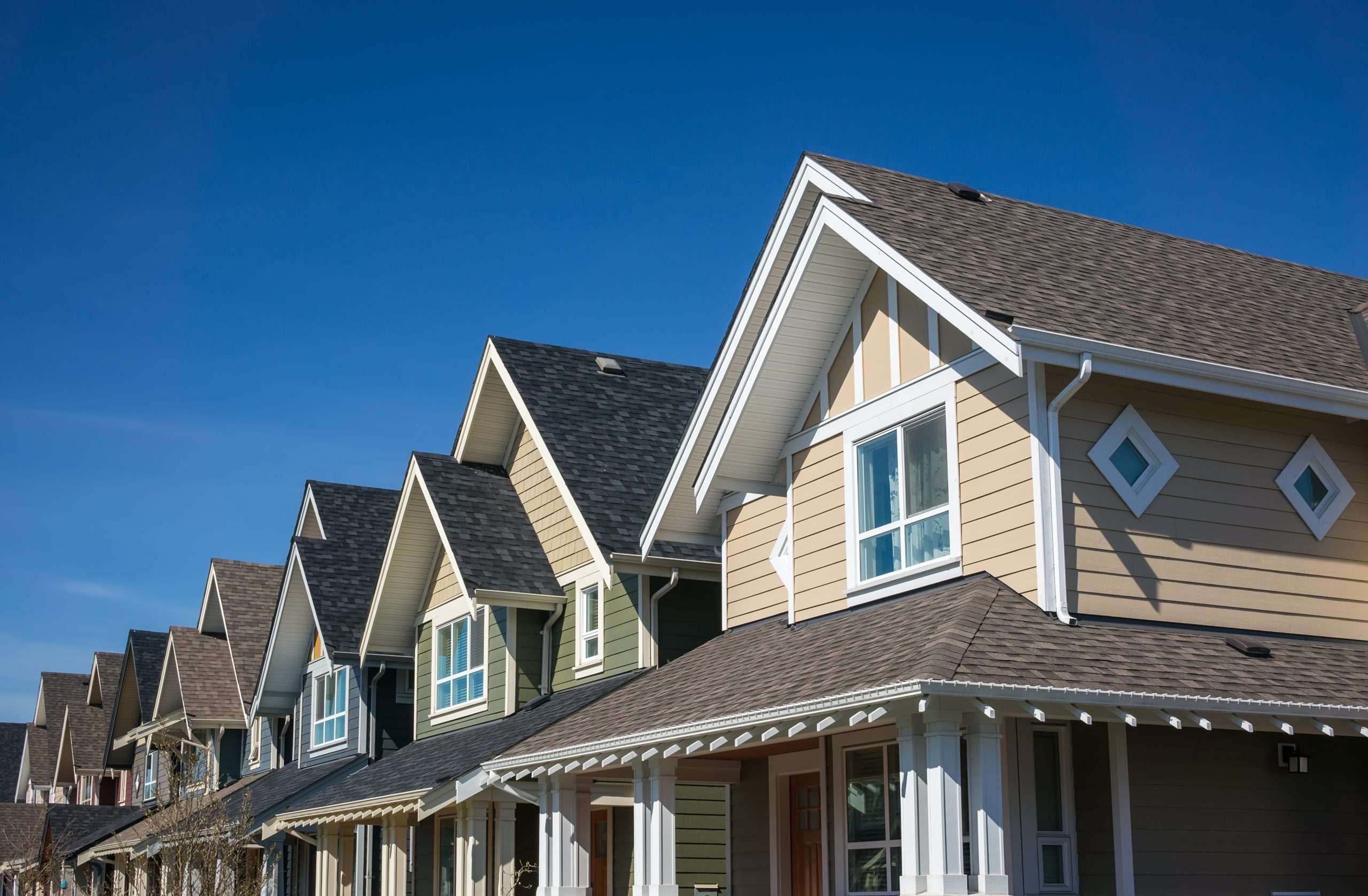
Roofing gets talked about in extremes. Either it's fine and nobody thinks about it, or it's failing and suddenly it's the most urgent thing in the world. There's rarely an in-between. But the reality of roofing is more nuanced. Most roof problems develop slowly, over months or years, and the decisions you make along the way determine whether a small issue becomes a manageable repair or a full-scale emergency.
For property owners in Pennsylvania's Lehigh Valley, Completely Custom Roofing has been handling those decisions for over 15 years. They're a full-service roofing company working across residential and commercial properties, covering repairs, replacements, storm damage response, gutters, siding, and ongoing maintenance. If you need a dependable roofing contractor in the region, their name comes up consistently for a reason. And for homeowners specifically searching for roofing contractors allentown pa, they're one of the most established options in the area.
The Lehigh Valley Climate and Your Roof
Lehigh Valley weather is not gentle. Summers bring intense heat and humidity. Winters bring snow, ice, and repeated freeze-thaw cycles. Spring and fall bring heavy rain and wind. Each season puts different stress on a roofing system, and over time, that cumulative stress takes a toll.
The freeze-thaw cycle is particularly hard on roofs. Water finds its way into small gaps—around flashing, under shingles, into the edges of vents. When temperatures drop, that water freezes and expands. When temperatures rise, it melts and flows deeper. Repeat this cycle hundreds of times over a winter, and small openings become significant leaks.
This is why roofing in this region isn't just about the shingles. It's about the entire system: underlayment, flashing, ventilation, and drainage. A roof with excellent shingles but poor flashing will still leak. A roof with great materials but inadequate ventilation will still develop moisture problems.
| Season | Primary Stress | Common Roof Impact |
|---|---|---|
| Summer | Heat and humidity | Shingle deterioration, attic moisture |
| Winter | Snow, ice, freeze-thaw cycles | Ice dams, flashing failure, leaks |
| Spring | Heavy rain, wind | Water intrusion, lifted shingles |
| Fall | Rain, debris accumulation | Clogged gutters, drainage issues |
What Actually Causes Most Roof Failures
Ask a roofer what causes most roof failures, and you'll hear the same answers repeatedly.
- Flashing failures are the most common source of leaks. Flashing is the material that seals junctions—where the roof meets a chimney, where a vent pipe passes through, where two roof planes intersect. When flashing is installed incorrectly or degrades over time, water gets in.
- Poor ventilation causes problems that aren't immediately obvious. Without adequate intake and exhaust ventilation, attics trap heat and moisture. In winter, that moisture condenses on the underside of the roof deck, leading to rot and mold. In summer, trapped heat accelerates shingle deterioration.
- Deferred maintenance is the quiet killer. Small issues that get ignored become big ones. A lifted shingle that could have been resealed becomes a leak that damages the deck. A clogged gutter that could have been cleaned becomes an ice dam that forces water under the shingles.
- Storm damage gets the most attention, but it's often less destructive than the slow damage caused by neglect. Wind and hail can cause immediate problems, but the long-term damage from water intrusion is usually worse.
| Failure Cause | Warning Signs | Prevention |
|---|---|---|
| Flashing failure | Stains near chimney or vents | Regular inspection, proper installation |
| Poor ventilation | Attic moisture, mold, high heat | Balanced intake and exhaust vents |
| Deferred maintenance | Lifted shingles, clogged gutters | Annual inspections, prompt repairs |
| Storm damage | Missing shingles, dents, debris | Post-storm inspection, insurance documentation |
The Difference Between a Repair and a Replacement
One of the most common questions homeowners ask is whether they need a repair or a full replacement. The answer depends on several factors.
- Age of the roof: Most asphalt roofs last 20 to 30 years. If your roof is in that range and showing problems, replacement is often the better investment.
- Extent of damage: If damage is isolated to one area and the rest of the roof is sound, a repair makes sense. If damage is widespread or recurring, replacement is likely more cost-effective.
- Frequency of repairs: If you've had multiple repairs in recent years, you're probably throwing money at a roof that needs to be replaced.
- Condition of the decking: If the underlying structure shows signs of rot or sagging, replacement is necessary regardless of the shingles' condition.
A reputable contractor will give you an honest assessment rather than pushing for the more expensive option. For more tips on making smart roofing decisions, see Your Home, Your Roof, Your Choice: Pro Roofing Tips for Homeowners.
Commercial Roofing: A Different Set of Priorities
Commercial roofing operates under different constraints than residential work. Flat and low-slope roofs dominate commercial buildings, and they require different materials and installation methods.
The most common commercial systems include:
- TPO and EPDM membranes: Single-ply systems that install in large sheets, minimizing seams and potential leak points. TPO is reflective, which reduces cooling costs.
- Modified bitumen: Polymer-modified asphalt that offers flexibility and weather resistance.
- Built-up roofing (BUR): Multiple layers of bitumen and reinforcing fabric that create a durable, time-tested system.
- Metal roofing: Standing seam systems that last decades and handle weather extremes well.
For businesses, the biggest concern is usually disruption. Roof work can interfere with operations, parking, and customer access. A good commercial contractor plans the work to minimize impact, often scheduling around business hours and maintaining clear communication throughout.
For a detailed comparison of flat roofing options, see Flat Roof Selection Guide: Comparing Bituminous and Modern Roofing Solutions.
Storm Damage: What to Do and What Not to Do
After a major storm, the instinct is to act fast. That's understandable, but it can lead to mistakes.
- Don't climb on the roof yourself. Storm-damaged roofs are dangerous. Wait for a professional inspection.
- Don't sign anything immediately. Some contractors go door-to-door after storms, pressuring homeowners to sign contracts on the spot. Take your time and get multiple opinions.
- Do document everything. Take photos from the ground. Note the date and time. This documentation helps with insurance claims.
- Do call a reputable contractor. A professional inspection will identify damage you can't see from the ground and provide the documentation your insurance company needs.
Maintenance: The Least Glamorous but Most Important Step
The best way to avoid expensive roof repairs is to prevent them. Annual inspections catch small issues before they become big ones. Cleaning gutters prevents ice dams and water damage. Trimming overhanging branches prevents physical damage and reduces debris accumulation.
Many roofing companies offer maintenance plans that include scheduled inspections and minor repairs. These plans pay for themselves by extending the life of the roof and catching problems early. For a broader look at residential and commercial roofing, see The Complete Guide to Residential and Commercial Roofing Services.
Final Thoughts
Your roof is one of the most important systems in your home or building. It protects everything beneath it, and when it fails, the consequences ripple through the entire structure. Understanding what causes roof problems, when to repair versus replace, and how to choose the right contractor makes a significant difference in both cost and outcome.
For property owners in the Lehigh Valley, Completely Custom Roofing offers the experience, range of services, and commitment to quality that reliable roofing requires. Whether you're dealing with storm damage, planning a replacement, or simply want to stay ahead of maintenance, having the right partner makes all the difference.

House Hunting, Land Buying & Property Marketing
Smarter with Hao Finder™
Whether you're looking for your next home, investing in land, or marketing real estate listings — Hao Finder™ gives you verified properties, expert insights, and digital tools that simplify your journey.
Call us
+254 715 560 734
+254 118 582674
+973.253.3800
Email us
info@haofinder.com
business@haofinder.com
Location
Delta Corner Towers, Westlands, Nairobi |
471 Mundet Place, Ste. US159850 |
Hillside, New Jersey 07205,
United States